
Find trusted anti-lick solutions that help discourage paw licking while supporting skin comfort. This guide highlights five well-matched products for dogs and cats, explaining who each is best for and why. Ideal buyers include pet owners seeking non-prescription options, households with anxious pets, and caregivers focused on gentle, veterinarian-formulated care. The table below summarizes who each product serves best.
| Product | Best For | Notes |
|---|---|---|
| NaturVet Aller-911 Anti-Lick Paw Spray | Dogs and Cats with Environmental Allergies | Vitamin-enhanced spray aimed at discouraging licking and supporting skin moisture. |
| Veterinary Formula Clinical Care Hot Spot & Itch Relief Medicated Spray | Pets with hot spots or itchy skin needing quick soothing | Medicated, fragrance-free option that pairs with shampoo for between-wash care. |
| Kenic Anti-Chew Bitter Spray Deterrent | Homes with chewing and licking challenges on furniture or paws | Bitter-tasting deterrent for both dogs and cats. |
| HICC PET Hot Spot Treatment Spray | Pets with stubborn hot spots and recurrent irritation | Double-strength HOCl formula for stronger relief and faster healing. |
| Veterinary Formula Clinical Care Antiseptic & Antifungal Spray | Pets needing antiseptic support between washes | Paraben-free and designed to maintain skin health. |
NaturVet Aller-911 Anti-Lick Paw Spray

The NaturVet Aller-911 Anti-Lick Paw Spray helps reduce paw licking while supporting skin comfort. It is a vitamin-enhanced spray designed for both dogs and cats and aims to discourage licking of irritated paws and skin. This option is best for pet owners seeking a gentle, veterinarian-formulated aid to complement allergy support and moisture retention in the coat.
Best for: dogs and cats with environmental or seasonal itching who prefer a vitamin-enhanced spray. Limitations include that results vary by pet and consistent use is advised for best results.
Veterinary Formula Clinical Care Hot Spot & Itch Relief Medicated Spray

This medicated spray focuses on hot spots and itch relief for dogs and cats. It supports skin and coat health and pairs well with accompanying shampoos for ongoing care between washes. The formula is described as veterinarian-recommended and paraben-free, emphasizing moisture and relief from scratching and gnawing.
Best for: pets with acute hot spots or persistent itching that benefit from medicated relief. Caution: may not be ideal for pets with very sensitive skin if used without veterinary guidance.
Kenic Anti-Chew Bitter Spray Deterrent
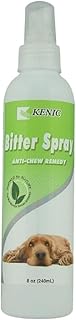
The Kenic Anti-Chew Bitter Spray Deterrent uses a bitter-tasting formula to deter chewing and licking on surfaces such as furniture, paws, and shoes. It is a training aid suitable for both dogs and cats, with easy application to create a no-chew zone and reinforce good behavior.
Best for: homes needing a straightforward deterrent to reduce unwanted chewing and licking. Limitation: effectiveness depends on consistent application and owner follow-through with training cues.
HICC PET Hot Spot Treatment Spray

HICC PET’s Hot Spot Treatment Spray features a double-strength HOCl formula for enhanced relief from hot spots, itching, and skin irritations. It emphasizes fast, gentle action to soothe inflamed skin and promote recovery while minimizing discomfort during use.
Best for: pets with stubborn or recurring hot spots that require stronger, rapid relief. Consideration: HOCl-based products can vary in strength; follow label directions for safe use.
Veterinary Formula Clinical Care Antiseptic and Antifungal Medicated Spray

This antiseptic and antifungal spray helps support healthy skin by soothing irritated, red, greasy, or smelly skin and adds moisture to the coat. It is designed to be used between washes with the related antiseptic shampoo as part of a broader care routine and is paraben-free.
Best for: pets with environmental skin challenges requiring antiseptic and antifungal support. Limitation: not a stand-alone treatment for severe infections; consult a veterinarian for persistent issues.
Buying Guide
What should you look for when choosing an anti-lick paw spray?
- Target area: Some sprays focus on licking and paw irritation, while others target hot spots or general itching. Choose based on your pet’s most troublesome symptoms.
- Active ingredients: Consider comfort-focused, moisturizing formulas vs. medicated options. If skin sensitivity is a concern, paraben-free and dye-free options may be preferable.
- Pet population: If you have both dogs and cats, select a product labeled safe for both species or use separate formulations as recommended.
- Ease of use: Sprays that are easy to apply to paws or affected areas are more practical for daily use and ongoing care.
- Complementary care: Some sprays pair well with shampoos or routine grooming, forming a complete skin-care plan.
Practical tips for use
- Apply to clean, dry paws or affected skin as directed by the label.
- Monitor for signs of irritation or allergy after initial use; discontinue if adverse reactions occur.
- Coordinate with other skin-care steps, such as bathing or conditioning, to maintain moisture balance.
Frequently asked questions
- Do paw sprays really stop licking?
They help reduce licking by making the area less appealing or more comfortable, but results vary by pet. - Can I use these sprays on other body parts?
Use only as indicated by the product label, typically focused on paws or affected skin areas. - Are medicated sprays safe for daily use?
Many medicated options require veterinarian guidance for regular use, especially on sensitive skin. - Should I use a spray with a bitter deterrent?
Bitter deterrents are useful for training and discouragement but should be paired with behavior modification. - Can these sprays replace veterinary treatment for hot spots?
For severe or spreading lesions, consult a veterinarian; sprays are often supplementary.