
Looking for reliable bird cage food dishes that minimize spills and keep your small pets fed and healthy? This guide compares five well-suited options for budgies, parakeets, cockatiels, lovebirds, finches, and similar small birds. Each choice prioritizes safety, durability, and ease of use, helping you pick the right feeder for your bird’s feeding routine. The top picks range from simple hanging cups to sturdy stainless steel bowls and wooden foraging boxes.
Summary table of selected products:
| Product | Best For | Material | Key Benefit |
|---|---|---|---|
| 2 Pack Bird Water Dispenser for Cage | Budding beginners and clutter-conscious households | PP (plastic) | Double cups for varied feeds |
| Prevue Pet Universal Hanging Cups | Owners seeking quick replacement cups | Plastic (non-toxic) | Universal fit and two size options |
| PINVNBY Parrot Feeding Cups | Rust-resistant, durable setups | Stainless steel | Dual-use for water or food |
Note: Each product is chosen for small to medium birds, with a focus on safety, ease of installation, and cleaning. Consider your cage size, bird behavior (tip-prone or nibble-prone), and whether you prefer plastic, stainless steel, or wood for your specific environment.
2 Pack Bird Water Dispenser For Cage
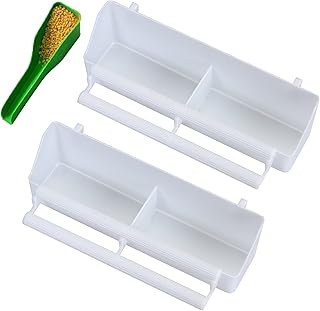
Best for: beginners and busy households that want an easy-to-fill, dual-cup feeder. This product uses high-quality PP material to ensure safety and durability. The double cups allow for holding multiple feeds or water options, reducing the need for frequent refills. It installs without opening the cage, simplifying maintenance and minimizing spills. Suitable for budgies, parakeets, cockatiels, finches, and other small birds.
Why selected: The dual-cup design helps diversify feeding options, which can be helpful when introducing new foods or medications. It is easy to clean and maintain, making it a practical choice for owners who prioritize low-maintenance pets or have multiple birds.
Caution: Plastic feeders can become scratched over time, which may harbor bacteria if not cleaned regularly. Inspect cups for wear and replace if any cracking appears.
Key features in brief:
- High-quality PP material for safety and durability
- Double cups for varied feeds
- Easy to fill and clean, no cage opening required
- Suitable for small birds including budgies and parakeets
Prevue Pet Universal Hanging Cups
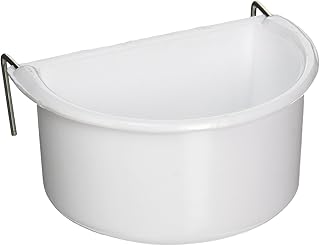
Best for: pet owners who value universally compatible hanging cups with straightforward sizing. These cups are made from 100% safe, non-toxic materials and come in two capacity options (1.8 oz and 2.2 oz), allowing some control over portion size. They are designed to fit a range of small bird cages.
Why selected: The universal fit makes replacements easy when upgrading cage setups, and the two available sizes help tailor portions to species-specific feeding habits. The non-toxic plastic construction is important for safety in passive nibblers and curious birds.
Caution: Plastic cups can become chewed by particularly persistent birds; monitor for wear and replace as needed to avoid leaks or ingestion of plastic fragments.
Key features in brief:
- 100% safe, non-toxic materials
- Holds 1.8 oz or 2.2 oz
- Universal fit for many small cages
PINVNBY Parrot Feeding Cups Set
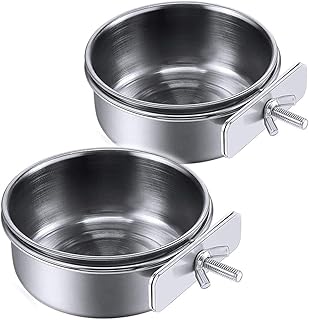
Best for: cages that need durable, rust-resistant feeding cups with a simple, secure mounting system. This set uses stainless steel bowls paired with brackets, designed to prevent tipping and reduce spills. Suitable for cockatiels, conures, parakeets, budgies, and similar species.
Why selected: The stainless steel bowl resists rust and is dishwasher-safe, supporting long-term hygiene. The included brackets and clamp-style holder make installation straightforward and stable, reducing the risk of accidental spills during energetic feeding sessions.
Caution: Stainless steel bowls can be heavier than plastic; ensure your cage can support the weight when full, especially in hanging configurations.
Key features in brief:
- Dual-use: food or water
- Stainless steel, rust-resistant and durable
- Easy to install, easy to remove for cleaning
- Dishwasher safe
BNOSDM Wooden Bird Feeder Box

Best for: small to medium parrots and cage users who prefer a natural wood aesthetic and a built-in perching platform. This wooden feeder box comes with two white food cups providing a stable option for holding seeds and water. It suits cockatiels, lovebirds, parakeets, and budgies.
Why selected: The wooden construction adds a natural look and provides a sturdy perch, while the separate white cups simplify cleaning and refilling. The design also supports perching and resting, making it a multifunctional accessory for enrichment-friendly cages.
Caution: Wood may require more maintenance to avoid molding in high-humidity environments; ensure good cage ventilation and dry storage after cleaning.
Key features in brief:
- Natural wooden feeder box with two cups
- Durable, sturdy perching platform
- Ideal for multiple small birds
2 Pcs Small Bird Feeding Dish Cups
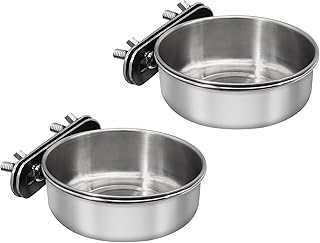
Best for: users needing a compact, affordable stainless steel solution that’s easy to install and clean. The set includes two cups with a clamp-holder system, suitable for cockatiels, parakeets, macaws, finches, and lovebirds. It is a practical option for smaller cages or multi-bird setups.
Why selected: Stainless steel bowls are robust and long-lasting, offering safe food and water containment. The clamp-holder design minimizes spills and fits most standard cages, making it a flexible upgrade or starter kit for small birds.
Caution: Stainless steel cups can be noisier when bumped by active birds; consider adding a soft mount to dampen vibrations if your bird tends to flutter near the cup.
Key features in brief:
- Stainless steel bowls for durability
- Easy installation and removal
- Removable brackets to reduce spills
Buying Guide: How to Choose Bird Cage Food Dishes
What material matters most? Material choices include plastic, stainless steel, and wood. Stainless steel is durable and easy to sanitize, but heavier; plastic is lightweight and affordable but can scratch or crack with wear; wood offers a natural look but may require more cleaning due to humidity and droppings. Consider your bird’s chewing habits, cage setup, and cleaning ease when selecting.
What size should you pick? Cup size should align with your bird species and typical portion needs. Smaller cups prevent waste but may require more frequent refills for larger birds. For paired feeding (food and water), dual-cup options can be beneficial to reduce competition during feeding.
Fixed vs. removable design: Removable bowls simplify cleaning and refilling, while fixed cups can be less prone to tipping. If your bird is a strong chewer or loves to shake cups, choose more secure mounting or stainless steel options.
How to install for stability: Ensure clamps, brackets, or hanging hardware are compatible with your cage bars. Position cups away from perches to minimize droppings entering the cups. A clean installation promotes better hygiene and reduces spills.
Maintenance tips: Regularly inspect for cracks, rust, or chewing damage. Wash cups with mild soap and warm water, dry thoroughly, and reassemble. For wooden feeders, wipe down and check for moisture damage in humid environments.
FAQs
- What is the best material for bird feeding cups? Stainless steel offers durability and ease of cleaning, but plastic options are affordable and lighter for smaller cages.
- How often should I clean bird feeding dishes? Clean weekly or more often if your birds are messy eaters or if hygiene is a concern. Replace worn cups promptly.
- Can feeding dishes double as water and food bowls? Yes, many models support dual-use or separate cups for water and food; choose according to your birds’ needs.
- Are universal hanging cups compatible with most cages? Generally yes, but verify your cage’s bar spacing and cup size before buying.
- Should I add a perch near feeding cups? A perch near the cups can help birds eat calmly, but keep enough clearance to prevent droppings from entering the cups.
- Is a wooden feeder better than plastic for birds? Wood can be more attractive and robust but may require more maintenance in humid environments; consider cage humidity and cleaning capability.