
Bubble filters combine mechanical and biological filtration with gentle aeration, making them ideal for small tanks, fry tanks, and breeding setups. This guide highlights five reliable bubble-filter options that suit a range of tank sizes while maintaining a calm water flow that won’t stress fish. Each option draws on proven sponge-filter design, easy cleaning, and safe operation for beginner and experienced aquarists alike. Explore how these filters improve oxygenation, water clarity, and overall tank health, with practical tips for setup and maintenance.
| Product | Brand | Tank Size Range | Amazon Link |
|---|---|---|---|
| AQUANEAT Aquarium Air Powered Sponge Filter (Up To 10 Gal) | AQUANEAT | Up to 10 gallons | View |
| AQUANEAT Aquarium Air Powered Sponge Filter (Up To 60 Gal) | AQUANEAT | Up to 60 gallons | View |
| fishkeeper Aquarium Filter (25-75 Gal) | fishkeeper | 25-75 gallons | View |
| fishkeeper U-V Filter (40-150 Gal) | fishkeeper | 40-150 gallons | View |
| AQUANEAT Aquarium Air Powered Sponge Filter (Up To 20 Gal) | AQUANEAT | Up to 20 gallons | View |
AQUANEAT Up To 10 Gal Sponge Filter

The AQUANEAT 10-gallon sponge filter combines mechanical and biological filtration in a compact unit. Its air infusion chamber produces small bubbles that improve oxygen solubility in the water, supporting healthier fish. Setup is straightforward: connect an airline to the unit and switch on the air pump. The sponge can be rinsed and squeezed in tank water for quick maintenance. It’s suitable for small fish such as dwarf cichlids, guppies, and fry tanks, where gentle filtration is important and current is minimal.
AQUANEAT Up To 60 Gal Sponge Filter

Designed for larger setups, the 60-gallon AQUANEAT sponge filter delivers reliable mechanical and biofiltration with a gentle aeration profile. The unit remains easy to install and clean: rinse and squeeze the sponge in tank water, then reassemble. It’s noted as safe for smaller fish and fry tanks, while providing a stable current that reduces stress during feeding and activity periods. The product supports hatcheries and maternity tanks where controlled aeration helps fry survival.
fishkeeper 25-75 Gal Aquarium Filter

This 4-in-1 fish tank filter combines mechanical sponge filtration, water circulation, and oxygenation with an emphasis on quiet operation. Its 150 GPH flow rate and 10 W power deliver steady filtration for tanks in the 25-75 gallon range. The filter uses washable, reusable sponges and media layers to extend life and reduce ongoing costs. It’s designed to work quietly under 35 dB, with suction caps to limit vibration, making it suitable for living spaces where noise matters.
fishkeeper U-V Filter For 40-150 Gal

This model adds a 254nm U-V light for algae management and green-water reduction alongside triple filtration: mechanical sponge, activated carbon for odor control, and quartz beads for enhanced cleansing. It operates at 211 GPH with a low 9W draw. Independent switches let you run filtration and U-V light separately, offering versatility in ongoing tank maintenance and water quality control. The design supports larger community tanks and reef-ready systems that benefit from robust filtration and clarifying capabilities.
AQUANEAT Up To 20 Gal Sponge Filter
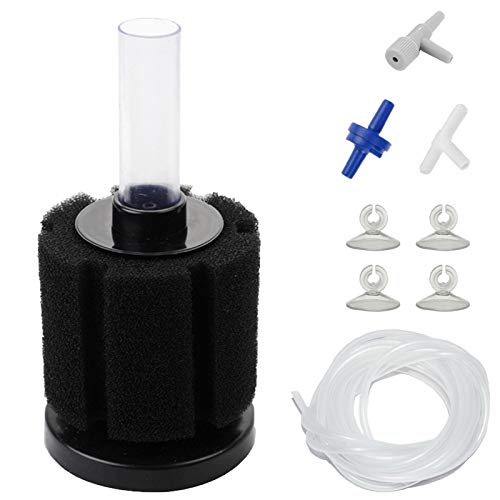
For mid-size tanks, the 20-gallon AQUANEAT sponge filter offers a balanced filtration approach with a compact footprint. It emphasizes ease of use, with simple setup and routine cleaning by rinsing the sponge in tank water. The design keeps current gentle enough for small or shy fish while delivering reliable biological filtration through the sponge and the chamber’s aeration effect, which supports beneficial bacteria and a healthy biofilter.
Buying Guide: Key Considerations For Bubble Filters
Selecting the right bubble filter depends on tank size, fish load, and maintenance preferences. Consider the following perspectives to ensure a fit for your setup:
- Tank size and filtration needs: Bubble filters work well for small to mid-sized tanks. Choose a unit that covers the tank’s volume with a gentle output to prevent stress or fry being drawn toward the filter.
- Flow rate and aeration balance: A quiet, steady flow supports oxygenation without creating a strong current. Sponge filters tend to be forgiving for delicate species and densely planted tanks.
- Filtration stages: Look for models offering mechanical plus biological filtration. Some combos also include carbon or ceramic media for odor control and enhanced cleaning.
- Maintenance ease: A filter that’s easy to disassemble, rinse, and reassemble reduces downtime and keeps the tank stable.
- Noise and placement: Submersible designs with suction cups minimize vibration and noise. Place filters away from mice and rocks to avoid obstruction and ensure even flow.
- Durability and parts availability: Replacing sponges and media should be straightforward. Check for readily available replacement parts and compatible media options.
- Special features: U-V clarification helps reduce green water in larger setups, while multi-media configurations provide broader filtration. Decide which features align with your water quality goals.
When integrating a bubble filter, pair it with regular water testing (ammonia, nitrite, nitrate, pH) and a consistent partial water change schedule. For fry or breeding tanks, prioritize low current models with soft outputs and fine sponge media. For larger community tanks, consider higher-capacity units with multiple media stages and, if needed, optional U-V light functionality for water clarity. Always verify compatibility with your tank’s dimensions and existing filtration system to ensure optimal performance.