
In short, choose small-breed formulas that emphasize easily digestible ingredients, lean protein, and skin-and-coat support. This guide highlights five top options suited for Yorkshire Terriers and similar small breeds. Each product is evaluated for digestion, energy, and coat health, helping buyers pick the best fit for their Yorkie’s needs. The top picks target different life stages and preferences, from puppies to adults, with clear notes on who benefits most and potential limitations to consider.
Summary table of selected products:
| Product | Best For |
|---|---|
| Hill’s Science Diet Small & Mini, Adult 1-6 | Small breed adults seeking digestibility and coat health |
| Royal Canin Yorkshire Terrier Adult Dry | Purebred Yorkies needing small kibble and skin support |
| Royal Canin Yorkshire Terrier Puppy Dry | Yorkie puppies with growth and immune support needs |
| Blue Buffalo Life Protection Formula Adult | General small-breed adults needing balanced protein and natural ingredients |
| Purina Pro Plan Toy Breed Chicken & Rice | Highly active toy breeds requiring strong protein and digestion support |
Hill’s Science Diet Small & Mini Adult 1-6 Dry Dog Food

- Features: Made with highly digestible ingredients, high quality protein to maintain lean muscle, Omega-6s and vitamin E for skin & coat.
Best for: Small-breed adults who need easy digestion and coat upkeep. The formula emphasizes a gentle stomach, good for Yorkies prone to upset tummies. Limitations: Not specifically tailored for puppies or non-small breeds.
Royal Canin Breed Health Yorkshire Terrier Adult Dry Dog Food

- Features: Breed-specific nutrition for Yorkshire Terriers, crunchy kibble designed for small jaws, contains biotin and omega fatty acids for skin and coat health.
Best for: Purebred Yorkies needing a formula tailored to their jaw size and coat care. Limitations: Breed-specific formula may be less versatile for mixed small breeds.
Royal Canin Breed Health Yorkshire Terrier Puppy Dry Dog Food

- Features: Breed-specific puppy formula, crunchy kibble for a small muzzle, antioxidants and vitamin E to support the immune system during growth.
Best for: Yorkie puppies and their developing immune systems. Limitations: Primarily targeted at puppies; may not suit adult Yorkies seeking senior-support nutrition.
Blue Buffalo Life Protection Formula Adult Dry Dog Food

- Features: Real deboned chicken as primary ingredient; no poultry by-products, corn, wheat, or soy; balanced protein and carbs; includes Omega-3 & 6 fatty acids for coat health.
Best for: Adults of small breeds seeking natural ingredients and steady energy. Limitations: Not labeled specifically for toy or ultra-small breeds, may have larger kibble than some Yorkies prefer.
Purina Pro Plan Toy Breed Chicken & Rice with Probiotics
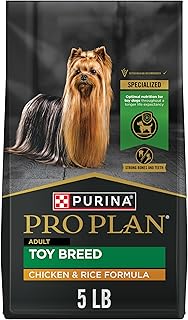
- Features: High-protein formula for active toy breeds, real chicken as the first ingredient, natural prebiotic fiber to support digestive health.
Best for: Highly active toy breeds requiring strong protein and gut health support. Limitations: May be higher in protein than some small dogs need; monitor energy levels and stool consistency.
Buying Guide
What should you look for in Yorkie foods?
- Small-breed kibble size and shape for easy chewing.
- High-quality protein as the main ingredient to support lean muscle.
- Digestible ingredients and added probiotics or prebiotics when possible.
- Healthy skin and coat nutrients, such as omega fatty acids and vitamin E.
- Life-stage suitability: puppy, adult, or senior Yorkie needs differ.
How to choose by life stage?
- Puppy Yorkies: Growth support, antioxidants, and a kibble size that suits a small muzzle.
- Adult Yorkies: Focus on digestion, coat health, and steady energy without excess calories.
- Senior Yorkies: May require joint support and easily digestible ingredients; consult a vet for targeted formulas.
Dietary preferences and restrictions
- Natural ingredients and grain-inclusive vs grain-free options, depending on tolerance.
- Allergies or sensitivities to common proteins or grains; consider limited-ingredient diets if needed.
- Calorie control to prevent weight gain in less active or small-framed dogs.
Feeding practical tips
- Introduce new food gradually over 7–10 days to minimize digestive upset.
- Use measured portions aligned with the dog’s weight, age, and activity level.
- Monitor coat, skin, stool, and energy; adjust the plan if issues arise.
Common questions
- Q: Is grain-free better for Yorkies? A: Not automatically; many Yorkies thrive on balanced grains unless a specific intolerance is present.
- Q: How much should a Yorkie eat daily? A: It varies by weight and activity; follow product guidelines and your vet’s advice.
- Q: Should I switch foods often? A: No; gradual transitions help prevent digestive upset.
- Q: Are premium brands always best? A: Brand quality matters; consider ingredients, life stage, and your dog’s needs, not just price.
- Q: Do Yorkies need supplements? A: Most dogs receive sufficient nutrients from well-balanced food; supplements should be vet-directed.
- Q: How can I tell if my Yorkie’s food is working? A: Look for steady energy, healthy weight, a glossy coat, and normal stools.