
Front-facing dog packs are ideal for small to medium dogs that love to stay close while you hike, travel, or just stroll through town. These carriers balance comfort, safety, and accessibility, helping pets stay secure without sacrificing airflow or visibility. This guide highlights five reliable options that suit different needs—whether you prioritize ventilation, storage, or leg-out comfort. The best pick depends on your dog’s size, activity level, and how you plan to use the pack.
Summary table of selected products:
| Product | Best For | Key Benefit | Setback / Limitation |
|---|---|---|---|
| WOYYHO Pet Dog Carrier Backpack (Size M) | Small dogs up to 9 lbs; ventilation-focused users | Front ventilation panels; built-in storage pockets | Limited to lighter dogs; ensure correct size |
| Pawaboo Pet Carrier Backpack | Small dogs and cats; quick, secure access | Legs-out and tail-out design; multiple openings | Size selection can be tricky; confirm measurements |
| WOYYHO Front Dog Carrier with Storage | Small dogs under 9 lb; multi-pocket travelers | Internal safety leash; front and side pockets | Same as above, size accuracy critical |
| Outward Hound PupPak Front Carrier | Small pets up to about 20 lbs; hiking and camping | Padded straps; interior safety clip; breathable mesh | Better for calmer pets; ensure proper fit |
| Mosago Dog Backpack Carrier | Small–mid dogs; outdoor outings | Thick straps; triple safety system | Measure carefully; data emphasizes calm rides |
WOYYHO Pet Dog Carrier Backpack (Size M)

Best for very small dogs that weigh 5–9 pounds and need steady airflow. This model uses front and side ventilation nets to improve breathability and visibility, making it a practical choice for warmer days or longer trips. The design includes a left-pocket adjustable rope for bulky items, a dog poop bag dispenser and USB-compatible storage on the right, and a back zipper pocket for valuables. The shoulder straps feature adjustable buckles to prevent slipping.
Who it’s best for: small-dog owners who want built-in storage and enhanced ventilation. If your pet is closer to 9 pounds or you anticipate carrying bulk items, this size and layout support distributed weight and easy access. The integrated safety leash helps secure the dog inside the carrier.
Limitations: ensure you select the correct size by measuring your pet’s sitting height and weight. Mis-sizing can reduce comfort and safety. Ventilation is strong, but the wearer should still stop for breaks on longer hikes.
Pawaboo Pet Carrier Backpack

Best for: owners who value a “legs-out” and “tail-out” design to keep pets comfortable and secure during travel. This carrier emphasizes quick, one-hand setup via hook-and-loop closures and elastic openings, allowing easy entry and removal of the pet. It’s particularly suitable for small dogs and cats who prefer a bit more freedom of movement while still being contained.
Why chosen: the design prioritizes pet comfort and caregiver convenience. The size guidance focuses on back length and chest girth—critical for a snug fit that prevents escape during movement. This model shines for travelers who frequently switch between modes (car, airport, trail) and need a reliable, adjustable fit.
Limitations: selecting the right size requires careful measurement; if in doubt, contact the seller for guidance. As with most front carriers, heavier or more energetic pets may attempt to wiggle free, so monitor your dog closely during use.
WOYYHO Front Dog Carrier With Storage Pockets

Best for small dogs between 5 and 9 pounds who need multi-pocket storage. This size-M carrier is similar to the first WOYYHO option but emphasizes a multi-pocket layout on the sides and front. A built-in safety leash clips to the pet’s collar to reduce the risk of escape. The waist and chest buckles offer extra stability on uneven surfaces or during brisk walks.
Why selected: it provides a compact, secure option for daily activities and short hikes, with practical pockets for essentials like a bottle, phone, ID, and treats. The safety feature helps in preventing accidental releases.
Limitations: similar sizing caveats apply; be sure to measure accurately and consult the included size chart before purchase. Ventilation is good, but ensure your dog remains comfortable on longer outings.
Outward Hound PupPak Front Carrier

Best for: small pets up to about 20 pounds who enjoy longer, hands-free adventures. The PupPak is built with breathable mesh for airflow, padded straps for comfort, and an interior safety clip to secure the pet’s harness. It’s designed for hikers who want reliable support and easy-to-clean materials for outdoor use.
Why chosen: the product supports longer outings with durable construction and a simple interior clip system that minimizes the chance of a dog slipping out. The carrier also emphasizes hands-free wearability, which is advantageous for those who carry trekking gear or need to carry other items during activities.
Caution: while roomy for small-to-mid-size dogs, verify your pet’s back length and chest girth to ensure the pack will remain stable during movement. It’s less ideal for anxious dogs who prefer staying close to a caregiver at all times if not acclimated to front carriers.
Mosago Dog Backpack Carrier
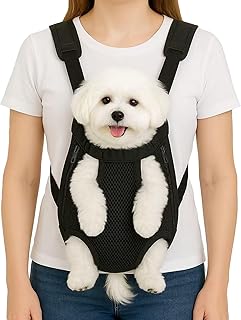
Best for: small-to-medium dogs weighing roughly 7–11 pounds, suitable for daily walks, hiking, or light camping. The design highlights a secure triple-safety system, thick padded straps, and a supportive bottom to maintain shape during movement. It’s a balanced choice for casual outdoor use and shorter trips.
Why selected: the triple safety system provides multiple layers of security, helping prevent accidental openings. The thicker straps enhance comfort for longer wear, and the product notes emphasize calm rides, which benefits pets that may become unsettled in new environments.
Limitation: users should measure both back length and chest girth carefully; incorrect sizing can affect fit and safety. Padding might flatten after unpacking, so reshaping may be necessary before use.
Buying Guide: Front Packs For Dogs
What size should I choose?
Measure your dog’s back length (from the base of the neck to the base of the tail) and chest girth. Compare to the manufacturer’s size chart. If the weight falls between sizes or the measurements are near the boundary, choose the larger size for comfort and freedom of movement.
Which features matter most?
- Ventilation: Look for mesh panels or breathable fabrics to prevent overheating.
- Security: A built-in leash clip or harness attachment reduces the risk of escape.
- Comfort: Padded straps and a supportive base help distribute weight evenly and minimize strain.
- Storage: Pockets and dispensers are useful for carrying essentials on day trips.
- Accessibility: Front or leg-out designs allow easier entry/exit and viewing for your pet.
Best practices for use
- Introduce the pack to your dog gradually with short sessions at home before outdoor use.
- Check for chafing or pressure points; adjust straps for a snug but comfortable fit.
- Take breaks during hikes to allow your dog to stretch and cool down.
Material and safety considerations
Choose sturdy, washable materials with reinforced seams. Ensure ventilation is not compromised by pockets that block airflow. Confirm reflective accents or high-visibility colors if you’ll be using the pack during low-light conditions.
Frequently asked questions
- What is the typical weight range for these front packs?
Most options target small dogs under 9–11 pounds, with some supporting up to 20 pounds for longer outings.
- How do I know if a front pack is secure enough for my dog?
- Can front packs be used for cats or other small pets?
- What maintenance is required?
Look for an interior safety clip, adjustable buckles, and a built-in leash attachment that connects to your dog’s collar or harness.
Yes, many models accommodate small cats and other small mammals that fit within the size and weight guidelines.
Most carriers are machine washable or spot-cleanable. Check the label for cleaning instructions and air-dry thoroughly after washing.