
If you’re shopping for a hamster cage, you want a glass or transparent setup that is sturdy, easy to clean, and safe for your pet. This guide highlights five top glass- or acrylic-view cages ideal for hamsters, focusing on security, visibility, and ease of maintenance. Each option fits different living styles, from compact, quiet spaces to larger, activity-rich habitats. The buyers below are best for those who value clear monitoring, chew-resistance, and simple upkeep.
| Product | Best For | Size (approx) | Key Benefit |
|---|---|---|---|
| VEVOR Hamster Cage, 360 Viewing Transparent | Active small pets needing full visibility | Varies by model | 360° viewing with ventilated top |
| 24 inch Acrylic Hamster Cage (Clear View) | Owners who want unobstructed views | Large, acrylic shell | Long-lasting materials; easy to clean |
| Prolee Hamster Cage Chewproof, 32 in | Chew-prone hamsters; want durability | 32 inches | Chewproof coating; acrylic panels |
| VEVOR Hamster Cage, 360° Viewing, 22.8 x 15 x 21.3 in | Compact yet transparent setups | 22.8 x 15 x 21.3 in | Sturdy metal with high transparency |
| VEVOR Hamster Cage, 360° Viewing, 29.5 x 17.3 x 24 in | Larger habitats for active hamsters | 29.5 x 17.3 x 24 in | Two size options; panoramic view |
Note: The information here is focused on design, visibility, and materials to help you compare at a glance. Always confirm current specifications on the product page before purchasing.
VEVOR 360° Viewing Transparent Hamster Cage
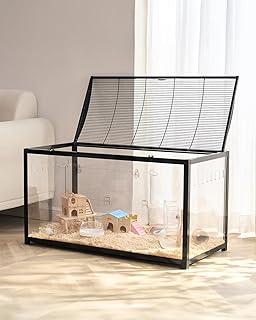
Reference features: Security and durability are achieved with sturdy metal construction. The design prevents bar-chewing and extends the cage’s lifespan. It offers ample space for movement and a ventilated top for consistent airflow. The fully transparent panels provide a 360-degree view of your hamster’s activities. Best for buyers who want strong structure plus complete visibility. Caution: Ensure the top ventilation is kept clear of blockages to maintain airflow.
24 Inch Acrylic Hamster Cage With 2 Small Houses

Reference features: Clear acrylic panels for unobstructed viewing; combination of natural pine wood and durable acrylic for stability; smooth surfaces designed for easy cleaning. Best for owners who want long-lasting materials and clear observation. Choose this if you need a roomy acrylic habitat that doubles as a decorative piece. Limitation: Wood components require moisture management to prevent warping over time.
Prolee Chewproof 32 Inch Hamster Cage

Reference features: Premium wood with waterproof and corrosion-resistant coating; transparent acrylic windows to observe activity; vents on top for air circulation and odor removal. Best for chew-prone hamsters and households seeking a durable wood-based habitat with clear viewing panels. Choose this if you want a larger interior space and a chew-resistant surface. Caution: Inner decorations are not included; plan accessories separately.
VEVOR 360° Viewing Large Hamster Cage (22.8 x 15 x 21.3 in)

Reference features: Sturdy metal construction for security and longevity; two size options to fit different spaces. It uses high-transparency acrylic panels for a 360-degree view. Best for buyers who want a compact yet highly visible cage with durable build. Limitation: Smaller footprint may limit larger wheel or hideout setups; assess equipment needs accordingly.
VEVOR 360° Viewing Large Hamster Cage (29.5 x 17.3 x 24 in)

Reference features: Robust metal construction with two size options and a panoramic viewing window. Best for larger hamsters or multi-pet households that need extra space for exploration. Choose this if you want the most room among the options and clear visibility. Caution: Ensure your setup includes compatible accessories (shelves, hides) for optimal use.
Buying Guide: Glass And Acrylic Hamster Cage Considerations
What size is right for your hamster? Consider the hamster’s adult size, activity level, and whether you will house more than one. Bigger cages provide more enrichment and reduce stress but require more space. Look for enclosures with easy-to-clean angles, rounded edges, and chew-resistant materials if needed. How important is visibility? If you enjoy watching your pet, cages with clear acrylic or glass panels and large viewing windows help you monitor behavior and health.
What about ventilation and odor control? Cages with ventilated tops or panels promote airflow and reduce odors. Sturdy metal frames with sealed joints reduce chew risk and extend lifespan. Are accessories included? Some models come with hides, water bottles, or shelves; others do not. Evaluate what you must add after purchase for a complete habitat.
How easy is assembly and maintenance? Look for cages with simple frames, smooth surfaces for cleaning, and accessible doors for daily care. If you plan to use thick bedding or deep litter, verify the design supports easy bottom cleaning and moisture management. Finally, consider safety features: rounded corners, secure latches, and chew-resistant coatings if your hamster tends to gnaw.
Frequently Asked Questions
- What size is best for a single adult hamster? – A habitat with at least 360 square inches of floor space is often recommended, plus vertical space for climbing or a wheel.
- Are glass or acrylic cages safer for hamsters? – Both can be safe when designed with chew-resistant materials and proper ventilation; glass offers a sturdy, non-porous surface, while acrylic provides superior visibility.
- Should I worry about condensation inside the cage? – Proper ventilation helps reduce moisture buildup; avoid cages with blocked vents and ensure proper airflow.
- Is chew-prevention a necessary feature? – For hamsters prone to chewing, chewproof coatings or solid panels help extend cage life and reduce ingestion of wood or wire.
- Can multiple hamsters share a glass cage? – It depends on the species and temperament. Most hamsters prefer solitary housing; consult species-specific guidance before co-housing.
- What maintenance routine is recommended? – Regularly remove waste, rotate toys, wipe down surfaces, and inspect seals or coatings for wear to maintain a clean habitat.