
Finding the right hay feed and feeding accessories can improve digestion, reduce waste, and support overall horse health. This guide highlights top hay cube options and practical feeding tools that suit a range of horses, from foals to seniors. Each product section covers key features, how it helps with feeding, and what to consider when choosing. Use the buying guide at the end to compare options based on your horse’s needs, stability, and forage goals.
| Product | Type | Best For | Notes |
|---|---|---|---|
| Blue Mountain Hay High-Altitude Alfalfa Hay Cubes | Hay Cubes | High-energy needs, lactating mares, growing foals | High protein, calcium; soak recommended for dental issues. |
| Blue Mountain High Altitude Horse Hay Pellets | Pellets | Older horses, digestion support | Easier chewing; fiber-rich. |
| Kaytee Timothy Hay Blend Cubes | Hay Cubes | Small animals (not ideal for horses) | Better for urinary health in small pets; included for cube reference. |
| Derby Originals Front Web Slow Feeder Hay Bag | Feeder Bag | Controlled grazing, hay waste reduction | Durable, 2–3 flakes capacity. |
| MIYABALA Hay Bags For Horses | Slow Feed Bag | Large-capacity feeding | Heavy-duty; designed to slow grazing. |
The following sections present five relevant products in depth. Each section includes a clickable Amazon link, an image, a brief feature set, and a practical take on how these items support a horse’s nutrition and feeding routine.
Blue Mountain Hay High-Altitude Alfalfa Hay Cubes

Blue Mountain Hay’s alfalfa hay cubes come from high-altitude Pacific Northwest sources, offering dense nutrition in a convenient cube form. These cubes are designed for animals requiring a nutrient-dense diet, including foals, lactating mares, and performance horses. With 17% protein and essential minerals, they support growth, energy, and bone health when fed as part of a balanced ration. They promote digestive health by encouraging slower, more deliberate chewing. For horses with dental issues or aggressive eaters, soaking the cubes can improve water intake and reduce choking risk. This makes them a versatile option for varied ages and activity levels.
Blue Mountain High Altitude Horse Hay Pellets
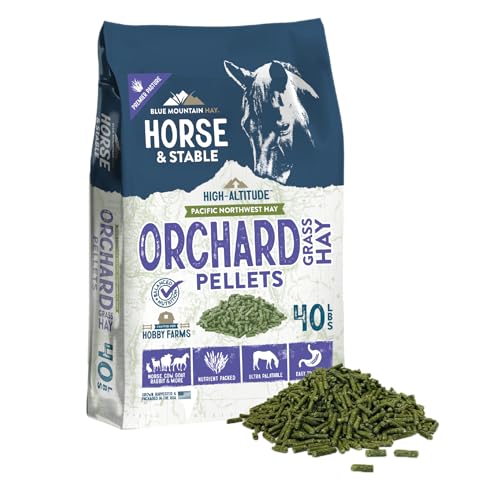
These orchard grass hay pellets are sourced from high-altitude Pacific Northwest fields. They offer a balanced fiber-to-protein profile, making them suitable for adult horses and other accessible herbivores. Pellets are easier to digest for older horses or those with metabolic sensitivities because they present a uniform nutrient mix in every bite. The pellets help simplify ration balance and reduce selective feeding, ensuring a consistent intake of fiber, minerals, and energy. They are a practical option when a horse needs easier mastication or a steadier digestive load than traditional hay alone.
Kaytee Timothy Hay Blend Cubes

Kaytee’s Timothy Hay Blend Cubes combine sun-cured timothy and alfalfa to offer a lower-protein, high-fiber option. While positioned for small pets, the cube format demonstrates how hay can be compacted for storage, hydration, or specific feeding plans when a square-block cube form is desirable. For horses, this product highlights that cube textures can be matched to nutrient needs, though producers typically select horse-appropriate cube types that align with their forage plan. This option is useful for comparing cube textures and protein levels when evaluating alternatives for multi-species households.
Derby Originals Front Web Slow Feeder Horse Hay Bag

This slow feeder bag features a reinforced bottom and 1.75″ square openings that regulate hay intake while preventing fast grazing. It holds 2–3 flakes of hay, suitable for balancing portion control with grazing instincts. The durable nylon construction includes replaceable straps and snaps, extending its lifespan. Slow-feed designs help reduce hay waste by extending consumption time, which can improve digestive health and grazing behavior. It is a practical accessory for barns with multiple horses or for riders who want to stretch hay supplies without compromising intake.
MIYABALA Hay Bags For Horses
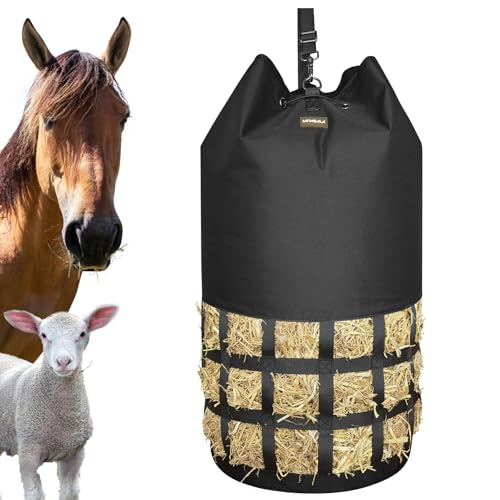
MIYABALA offers large-capacity slow feed hay bags designed for horses, goats, and donkeys. The cylindrical design allows a generous amount of hay to be stored, while a continuous grid net promotes controlled feeding and minimizes wastage. Built from premium oxford cloth, these bags emphasize durability and long service life. The bag is designed to withstand wear and tear and is suitable for multi-animal setups or longer feeding intervals, reducing the frequency of replenishment while encouraging steady grazing patterns. This type of bag complements the cube-based feeding plan by centralizing hay access and reducing mess in stalls and paddocks.
Buying Guide
When selecting hay cubes and related feeding solutions for horses, consider:
- Horse age and dental health: Soak cubes or choose easier-to-chew options for older horses or dental issues.
- Energy and protein needs: Lactating mares, foals, and performance horses typically require higher protein and energy. Pair with the right fiber source to support digestion.
- Digestive health and fiber intake: Look for high-fiber, appropriate-protein options to maintain gut function and minimize digestive upset.
- Feeding management: Slow feeders reduce waste and extend feeding time, promoting calmer behavior and better satiety.
- Storage and accessibility: Large bags and cube formats are easier to store and measure; ensure safe, clean access for horses and handlers.
- Human factors: Consider assembly quality, durability, ease of cleaning, and compatibility with stall layouts and equipment.
Product choice should balance nutritional needs with practicality. Cubes are convenient for portion control and consistent nutrient intake, while pellets or blended hay products can offer easier chewing and digestion for sensitive horses. Feeding accessories like slow-feed bags can significantly reduce waste and encourage natural grazing behavior, especially in barns with multiple horses. Always consult with a veterinarian or equine nutritionist to tailor rations to your horse’s specific requirements and to integrate forage with any concentrates or supplements.