
When selecting a long shank bit for walking horses, you’re choosing a tool that offers greater leverage and cues for precise communication. This guide highlights five top Amazon options that balance durability, mouth comfort, and rider control. The picks are suitable for riders focused on groundwork, gentle but effective guiding, and daily training. Each product section explains who it’s best for, its key features, and a practical caveat to consider before purchase.
| Product | Brand | Cheek Length | Mouth Size |
|---|---|---|---|
| Tough 1 Kelly Silver Star Stainless Steel Swivel Cheek Copper Low Port Mouth Bit | Tough 1 | 8″ | 5″ |
| Tough-1 Premium Comfort Gaited Shank Bit | Tough 1 | Not specified | Not specified |
| Showman Stainless Steel Walking Horse Bit w/ 8″ Cheeks | Showman | 8″ | Not specified |
| Tough 1 Western SS Copper Bar Correction Training Bit | Tough 1 | Long Shank | 5″ |
| Equisential by Professionals Choice Equine Performance Long Shank Twisted Wire Snaffle Bit | Equisential by Professionals Choice | 6-1/2″ | Not specified |
Tough 1 Kelly Silver Star Stainless Steel Swivel Cheek Copper Low Port Mouth Bit

The Tough 1 model features copper low port mouth with stainless steel eight-inch swivel cheeks and a five-inch mouth. Best for riders who want a light, responsive feel with smooth lateral cues. The copper mouth is designed to encourage salivation and acceptance, which can help with softening the jaw during initial training. This setup is often chosen for riders who need clear leg-to-hand communication without excessive rein tension.
Who it’s best for: Riders seeking a balanced, moderate leverage bit for daily training with a focus on light, consistent signals. Why selected: Combines copper mouth comfort with durable stainless steel swivel cheeks for improved lateral movement. Caution: The low port may provide a milder palate relief; riders needing stronger gage may require a different port size or mouth shape.
Tough-1 Premium Comfort Gaited Shank Bit

This bit is labeled for gaited horses, with a long shank design that offers a smoother, more forgiving feel during head and neck movements. It’s best for horses that respond better to gradual, controlled cues and balanced lateral pressure. The “premium comfort” designation suggests a smoother transition between rein input and mouth response, which can reduce rider fatigue over longer training sessions.
Who it’s best for: Gaited-horse riders or owners needing a gentler long-shank option that emphasizes comfort and steady communication. Why selected: Specifically marketed for gaited horses, potentially reducing head tossing and improving response. Caution: Details about mouth piece size and port are limited; verify fit for your horse’s mouth before purchasing.
Showman Stainless Steel Walking Horse Bit w/ 8″ Cheeks

The Showman bit uses stainless steel and features 8-inch cheeks for added leverage and direction control. It’s a versatile option for riders who need steady guidance on trails or in the arena. The longer cheek provides more response options for subtle rein aids, aiding in steering and stopping without excessive rein length.
Who it’s best for: Riders who want a robust, widely compatible long-shank bit for walking horses and consistent cueing. Why selected: Stainless construction and a well-proportioned cheek length suit riders seeking reliable performance. Caution: Longer cheeks may be less forgiving in very sensitive mouths; ensure proper fit and handler technique to avoid discomfort.
Tough 1 Western SS Copper Bar Correction Training Bit

A long-shank correction bit combining stainless steel and copper bar work for corrective training. This option emphasizes controlled leverage to guide a horse back to cues when off-track behaviors occur. The five-inch mouth size offers a balanced presence in the horse’s mouth, enabling clearer feedback without excessive pressure.
Who it’s best for: Training situations requiring stronger, corrective cues while maintaining communication. Why selected: The copper bar design aligns with horses that respond to copper’s taste and tendency for salivation, aiding acceptance. Caution: Intended for training contexts; use with caution to avoid over-cueing or discomfort in sensitive mouths.
Equisential by Professionals Choice Long Shank Twisted Wire Snaffle Bit

Equisential’s performance long shank features twisted wire in a snaffle-style mouth, offering enhanced tongue and bar contact. With a 6-1/2-inch cheek, it leans toward riders who want strong yet precise guidance along with torsion-style feedback. This can help with responsiveness on longer trails or ring work where nuanced signals matter.
Who it’s best for: Riders seeking a more powerful cue with a distinct tongue-to-bar sensation, especially on longer rides. Why selected: Combines a long-shank design with a twisted wire mouthpiece for targeted communication. Caution: Twisted wire can feel harsher to some horses; ensure proper fit and gradual conditioning for sensitive mouths.
Aime Imports Western AL Engraved Mullen Roller Long Shank Bit

This long shank bit uses a Mullen roller design with an engraved finish. The 5-inch mouth combined with an 8-1/2 inch cheek provides a balanced profile intended for steady force transmission and clear back-up cues. The engraved aesthetic is a bonus for riders who value traditional appearance on the trail or arena.
Who it’s best for: Riders who prefer a classic, balanced long-shank bit with a roller mouth for smoother tongue contact. Why selected: Roller mouth can reduce pinching and encourage softer mouth acceptance. Caution: The precise port size and mouth shape should fit the horse’s mouth to avoid discomfort during extended sessions.
Aime Imports Western AL Engraved Correction Long Shank Bit
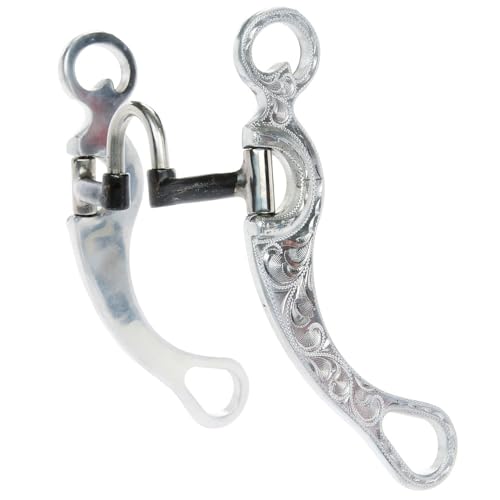
This engraved correction bit positions a long shank with an engraved aluminum correction port shank. The US horseman style highlights practical cues with a visual appeal. It’s suitable for riders who require a strong, direct cue with elegant presentation. The engraved finish is primarily aesthetic, while the actual function relies on the correction port and long shank leverage.
Who it’s best for: Riders who want a strong correction option combined with a refined look. Why selected: Engraved aluminum design communicates a classic Western aesthetic while delivering practical correction. Caution: Aluminum is lighter; ensure it’s compatible with the horse’s preference for mouth feel and response to leverage.
Buying Guide: Long Shank Walking Horse Bits
- What is the right mouthpiece for my horse? Compare copper low port, twisted wire, Mullen roller, and standard snaffle styles. Copper mouthpieces can encourage salivation and smoother acceptance, while twisted wire focuses feedback intensity.
- How long should the cheek be? Longer cheeks provide more leverage and cues but may feel more intense. Shorter cheeks offer quicker response with gentler control. Match cheek length to your horse’s sensitivity and training level.
- What training goals align with long shank bits? Use long shanks for steady, pre-cue communication during groundwork, trail work, and obedience training. Avoid abrupt rein pressure; progressive rein aids yield better results.
- Should I choose stainless steel or copper? Stainless steel is durable and easy to maintain. Copper mouthpieces can encourage salivation and a softer bite. Consider your horse’s tolerance and your maintenance preferences.
- What about comfort and fit? Ensure the bit fills the horse’s mouth properly, with no pinching or excessive pressure at the lips. Proper fit reduces resistance and promotes responsive communication.
Frequently Asked Questions
- What is a long shank bit best used for? Long shank bits provide leverage for more pronounced cues, often used in training and in situations requiring clear feedback while walking or riding.
- How do I know if a bit is too harsh? Signs include head tossing, resistance to rein contact, and reluctance to take the bit. If any show, reassess fit, port size, and your rein technique.
- Can copper mouthpieces cause irritation? Copper can sometimes cause sensitivity if the horse is not used to it. Introduce gradually and observe a calm, relaxed jaw response.
- Is a longer shank always better? Not necessarily. It depends on the horse’s temperament and training. Start with moderate leverage and adjust based on response.
- What maintenance does a long shank bit require? Regular cleaning to prevent corrosion and metal buildup. Inspect for wear, rust, or sharp edges that could injure the horse’s mouth.