
Finding the right nipple waterer for baby chicks and small birds helps keep water clean, prevents spillage, and supports healthy growth. This guide identifies five practical options and who they suit best. Whether you’re raising a small flock, a mixed coop with quail or pigeons, or starting with baby chicks, these products balance compact size with reliable water delivery. The following table summarizes who each option is best for and why it stands out.
| Product | Best For | Why It Stands Out |
|---|---|---|
| RentACoop 32oz Drinker Plus 2 Nipples | Baby chicks and small birds in tight spaces | Two nipple options; compact 1L capacity; keeps debris out; no backflow. |
| RentACoop 1 Gallon PVC Waterer | Growing flocks needing more capacity | Auto-fill cups and anti-roost features for multi-bird setups. |
| Lil’Clucker 1L Waterer Kit | New flock owners seeking anti-tip design | Anti-tip and anti-drown features; adjustable legs for growing chicks. |
| RentACoop 2 Gallon Bucket Waterer | Medium-sized coops with horizontal nipples | Larger capacity; center placement; durable plastic. |
| Baby Chick Waterer 0.26 Gal With Nipple | Very small setups or isolation pens | Compact and versatile nipple drinker; good for tiny spaces. |
Note: The selections emphasize durability, spill control, and ease of use for baby chicks and other small birds. Buy based on flock size, coop setup, and whether you prefer horizontal or vertical nipple orientations for your space.
RentACoop 32oz Drinker Plus 2 Nipples

Reference features: Automatic Drinker with 2 Versatile Nipples; yellow vertical nipple positioned above the head to prevent side-drinking; red horizontal nipple at eye-level; holds up to 32oz (1L); no backflow into the waterer; debris prevention design.
Best for: Budget-conscious buyers with small spaces and multiple birds in uno, starter setups. This option is ideal for chicks aged 1 week and older, and for quail, pigeons, and other small birds. Choose this if you want a compact, two-nipple system that minimizes spill risk.
Caution: Ensure correct nipple placement to avoid accidental backflow or splash in the coop; check daily for blockages and clean water ports.
RentACoop 1 Gallon PVC Chicken Waterer

Reference features: 1 gallon capacity; auto-fill cups; horizontal nipples; anti-roost cone; suitable for chicks, chickens, quails, pigeons, and gamebirds.
Best for: Owners expanding from smaller units to moderate flock sizes; those who want auto-fill functionality and a clean layout in larger coops. This setup is better for growing birds than smaller, single-nipple models.
Caution: Installation may require more space and secure mounting to prevent tipping in active runs.
Lil’Clucker 1L Chick Feeder, 1.5L Waterer Kit
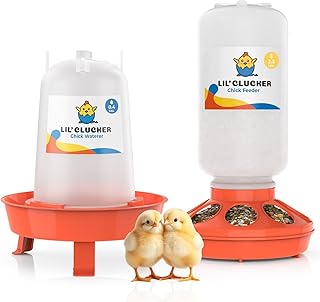
Reference features: Safe anti-tip and anti-drown design; adjustable leg heights; convenient hanging option; no-waste feeding holes; anti-tip base minimizes spills.
Best for: New flock owners who want a combined feeder and waterer solution. The adjustable setup accommodates chicks as they grow and helps keep the coop cleaner with reduced waste.
Caution: The unit may be less ideal for larger or aggressive flocks where higher-capacity waterers are preferred; ensure steady mounting to avoid tipping when full.
RentACoop 2 Gallon Waterer With 4 Nipples

Reference features: BPA-free plastic bucket; four horizontal nipples; center placement for even distribution; broad capacity for medium flocks.
Best for: Coops with multiple birds needing steady water supply; better for housing a mix of chicks and small birds without frequent refills. Choose this if you have a mid-sized setup.
Caution: Larger units require secure mounting and may demand more coop wall space; monitor nipple flow to avoid over-watering shallow bedding areas.
Baby Chick Waterer 0.26 Gal With Versatile Nipple Drinker

Reference features: 0.26 gallon capacity; versatile nipple drinker; compact for isolation pens; helps provide clean water to very small flocks.
Best for: Small, isolated pens or first-time chick keepers with very limited space; ideal for a single brood or quarantine setups.
Caution: Small capacity requires more frequent refills in active broods; check nipples regularly for clogs.
Buying Guide: Key Considerations For Choosing A Nipple Waterer
Material and durability: Look for BPA-free or food-grade plastics and sturdy fittings. Durable units resist cracking in cold or hot weather and withstand pecking from birds.
Capacity versus flock size: Smaller 0.25–1L units work well for baby chicks or isolation pens. Larger 1–2 gallon options suit growing flocks or mixed species with higher water needs.
Nipple type and placement: Vertical nipples help minimize side-drinking when positioned above head level; horizontal nipples should be at or near eye level for easy access. Ensure there is no backflow into the reservoir.
Spill and debris control: Choose designs with debris-inhibiting features and simple cleaning procedures. Backflow prevention and sealed fittings reduce dirty water and litter in the coop.
Ease of installation: Consider whether the unit mounts to a wall, hangs, or uses a bucket connection. Ensure your coop has appropriate mounting surfaces and space for the chosen model.
Maintenance: Look for removable cups or nipples that are easy to disassemble for cleaning. Regular maintenance prevents algae growth and clogged nipples.
Cost and value: Compare capacity, features, and ease of use. A slightly higher upfront cost can translate into lower maintenance and longer-lasting performance over time.
FAQ: Common Buyer Questions
- Q: Are nipple waterers suitable for very young chicks? A: Yes, many 1L or smaller units work for chicks aged a week and older when properly mounted and monitored.
- Q: Do nipple waterers prevent water contamination? A: They reduce dirt and debris entry by design, but regular cleaning is still important.
- Q: How do I prevent chicks from tipping the waterer? A: Use anti-tip bases and stable mounting; ensure the unit is secure and at the appropriate height for your birds.
- Q: Can I use nipple drinkers with larger chickens? A: Some models support larger birds, but verify capacity and nipple size to avoid leaks and insufficient water access.
- Q: Is backflow possible with nipple drinkers? A: Reputable models include backflow prevention to keep the water clean inside the reservoir.
- Q: How often should I check water levels? A: Check daily, especially during the first weeks of your chicks’ life, to ensure consistent access to fresh water.