
Answering your search for an over the counter cat wormer, this guide highlights five reliable, veterinarian-informed options for cats and kittens. These products cover common parasites like roundworms, hookworms, tapeworms, and whipworms, with different active ingredients and formulations. This overview helps if you want a straightforward liquid option, easy-to-administer tablets, or a broad-spectrum approach for households with multiple pets. Each choice is described with its best-fit buyer in mind and potential limitations to consider before purchase.
Summary table of selected products:
| Product | Best For | Format | Key Benefit |
|---|---|---|---|
| NateNatenight Cat & Kitten Dewormer | Kittens and adult cats needing gentle, safe coverage | Liquid | Pyrantel Pamoate for all wormers, mild on stomach |
| Yeosklum De-wormer for Cats and Dogs | Multi-pet households seeking single formula | Liquid | Broad spectrum for multiple parasites |
| Ginzeca Cat Dewormer for Cats | Cats needing fenbendazole-based broad spectrum | Liquid | Supports gastrointestinal health with fenbendazole |
| SHUNNIUB Dewormer for Cats | Kittens and adults needing root-level broad spectrum | Tablets | Fenbendazole-based, easy daily routine |
| OTESS Cat Dewormer Broad Spectrum | Cats and kittens in need of multi-worm protection | Tablets | Herbal and mild ingredients with broad coverage |
NateNatenight Cat & Kitten Dewormer
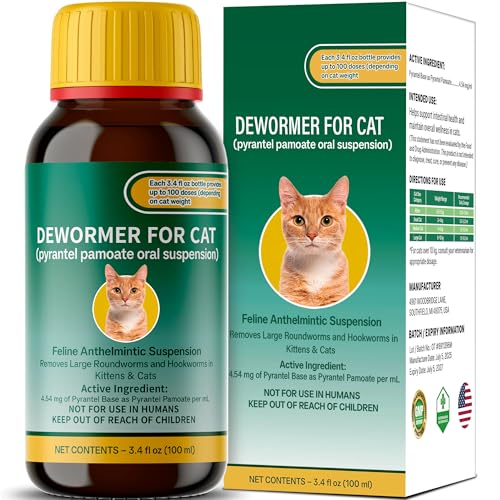
NateNatenight’s Cat & Kitten Dewormer uses Pyrantel Pamoate to target common intestinal worms. This formula is described as safe and gentle for both kittens and adult cats, aiming to support a balanced digestive environment without harsh effects. It is positioned for cats that need reliable, straightforward deworming with minimal stomach irritation. Best for pet guardians seeking a mild, science-backed option for ongoing parasite control in a single-bottle liquid format.
Best for: kittens and adult cats needing a gentle and trustworthy dewormer. Consider this if you prefer a straightforward liquid with a widely trusted ingredient and a focus on digestive comfort.
Caution: While described as safe and mild, monitor for any signs of adverse reaction after the first dose and follow dosing guidance for kittens and older cats.
Yeosklum De-wormer for Cats and Dogs
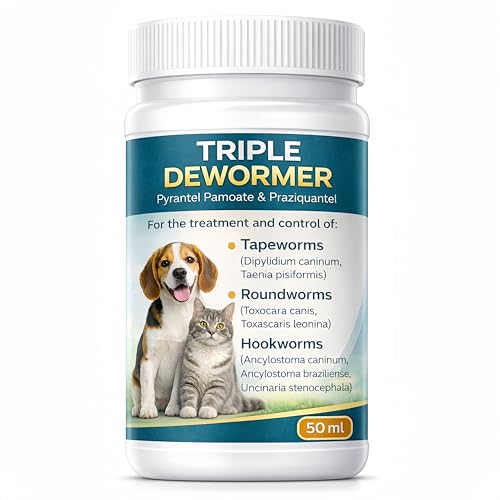
Yeosklum offers a broad-spectrum liquid wormer suitable for cats and dogs, designed to manage roundworms, hookworms, and tapeworms. This versatile option is ideal for multi-pet households where a single formula helps simplify routine care. The product emphasizes broad coverage and a straightforward administration approach, suitable for owners who prefer a single product for different pets in the home.
Best for: households with multiple pets seeking a single dewormer that covers common intestinal parasites in both cats and dogs. Choose this if you want a single, simple solution for a mixed-purry household.
Caution: Confirm dosing guidance for dogs and smaller cats separately to avoid misapplication and ensure proper safety margins for each species.
Ginzeca Cat Dewormer – Fenbendazole Liquid

Ginzeca Dewormer uses Fenbendazole as the active ingredient to provide broad-spectrum coverage for common intestinal worms. The liquid format is convenient for precise dosing and can be easier for picky eaters. This product emphasizes gastrointestinal support as part of a routine care plan and is positioned as suitable for cats needing ongoing management of worms across life stages.
Best for: cats that benefit from a fenbendazole-based approach and owners who prefer a liquid form with a focus on digestive health. Consider this if you want a well-known, widely used dewormer ingredient in a cat-specific formulation.
Caution: Fenbendazole-based products require correct dosing; misdose risks should be avoided by following product directions carefully.
Dewormer Liquid for Dogs & Cats – 7-Way

This liquid dewormer combines Praziquantel and Pyrantel Pamoate to address tapeworms, roundworms, hookworms, and whipworms. It is described as gentle on the stomach, making it a practical choice for pets with sensitive digestion. It is appropriate for dogs and cats, which is helpful for households with different species. The product is noted for restoring energy and coat health post-treatment, highlighting a broad spectrum and a patient-friendly administration approach.
Best for: households seeking a dual-action liquid that targets multiple worm types with an emphasis on pet comfort and recovery. Choose this if you want a versatile liquid for mixed-pet homes and want to help restore vitality after deworming.
Caution: Liquid formulations require careful measurement; ensure you dose according to weight and species guidelines to avoid under- or over-dosing.
OTESS Cat Dewormer – Broad Spectrum Tablets

OTESS offers broad-spectrum cat dewormer tablets described as natural herbal, using ingredients such as betel nut, pumpkin seeds, wormwood, and cloves. This makes it a more herbal-based choice for owners seeking a natural approach to worm control. The tablets are positioned for use across life stages, including kittens, and aim to support digestive health with a gentle internal balance.
Best for: cat guardians who prefer herbal or natural-ingredient formulations and a straightforward tablet format. Choose this if you want a non-gel, non-liquid option that aligns with family preferences for natural care.
Caution: Herbal formulas may work differently from conventional anthelmintics; effectiveness can vary by parasite load and species. Monitor response and consult a veterinarian if worms persist after a full treatment cycle.
TRAVELMASTER Cat Dewormer – 48 Tablets

TRAVELMASTER provides a triple-wormer formula in tablet form, containing Praziquantel and Pyrantel Pamoate to address tapeworms, roundworms, and hookworms. The package offers 48 tablets, which supports routine deworming and ongoing parasite control for cats and kittens. Tablets can be convenient for owners who prefer a precise, non-liquid method of administration and consistent dosing intervals.
Best for: cat guardians who want a dependable tablet-based regimen and a set quantity for long-term parasite management. Choose this if you favor a fixed-dose schedule and easy storage for regular use.
Caution: Tablets require pill administration skills; some cats may resist. Breakage or partial dosing can reduce effectiveness, so follow dosage instructions carefully.
Buying Guide: Key Considerations For Cat Dewormers
What should you look at when picking an over-the-counter cat wormer? Consider the following practical factors to guide your choice and ensure appropriate parasite coverage.
- Active ingredients: Common options include Pyrantel Pamoate, Fenbendazole, Praziquantel, and multi-worm formulas. Choose based on which parasites you need to target and any vet recommendations for your cat’s age and health.
- Format and dosing: Liquid formulas are often easier to dose for small kittens, while tablets provide precise long-term management. Check the dosing table by weight and life stage before purchase.
- Age and weight suitability: Ensure the product is labeled for kittens, adults, or both. Some products specify minimum weight or age. If you have a mixed-age household, a flexible option may be best.
- Household needs: If you have multiple pets, a broad-spectrum, multi-pet formula can simplify care. For a single-cat home, a targeted floormate might suffice.
- Safety and tolerability: Look for products described as gentle on the stomach and suitable for routine use. Note any cautions about adverse reactions and interactions with other medications.
- Administration ease: Consider whether you prefer a palatable liquid, taste-masked formula, or easy-to-swallow tablets. Some cats resist certain formats, so plan accordingly.
- Veterinary guidance: Over-the-counter options can be effective, but persistent worms or unclear symptoms warrant veterinary evaluation for potential underlying issues.
Frequently Asked Questions
- Do over-the-counter cat dewormers require a prescription? No. These products are designed for consumer use without a veterinary prescription, though consulting a vet is wise if you notice persistent symptoms or if your cat is very young, old, or ill.
- How do I know which worms my cat has? Signs can include weight loss, dull coat, changes in appetite, vomiting, or visible worms in stool. A vet visit can confirm the parasite type if you are unsure.
- Can I use human dewormers on my cat? No. Human products can be unsafe for animals and dosing is different. Always use pet-specific dewormers and follow label directions.
- How often should I deworm my cat? Routine schedules vary; many products are designed for periodic use as part of a general care plan. Follow the product’s dosing schedule and your veterinarian’s advice if your cat has ongoing exposure or a heavy worm burden.
- Are there side effects to watch for after deworming? Possible effects include mild vomiting, diarrhea, or decreased appetite. If symptoms persist or are severe, contact a veterinarian promptly.
- Should I deworm my cat if I see worms only once? If you spot worms, it’s a sign to treat, but repeat dosing may be necessary depending on the product and parasite. A vet can recommend a complete treatment plan.