
Choosing the right training collar for a small dog involves balancing safety, comfort, and effective behavior correction. This guide highlights five top options designed for tiny to medium dogs, covering lightweight builds, adjustable training modes, and reliable remote ranges. Each product is evaluated on comfort, safety features, battery life, and suitability for different dog sizes to help you make an informed decision.
| Product | Brand | Dog Size Range | Key Features |
|---|---|---|---|
| Tiniest Dog Shock Collar | UbaNinva | 0-27 inches neck; 5-27 lbs | Compact, 99 levels, sound/vibration/shock |
| Jugbow Shock Collar (Mini) | Jugbow | 5-30 lbs | 3 modes; 4200 ft range; IPX8 |
| Ultra-Small Dog Shock Collar | Chupolik | 5-30 lbs | 198 levels; ultra-light; long endurance |
| Bousnic Dog Shock Collar | BOUSNIC | 5-120 lbs | 3300 ft range; 3 modes; dual-channel |
| Small Shock Collar For Small Dogs | Veconix | 5-30 lbs | 26-level corrections; waterproof |
Note: The products listed focus on small-to-medium dog suitability, lightweight collars, and versatile training modes. Always follow manufacturer guidelines for safe use and start with the lowest effective correction level.
Tiniest Dog Shock Collar By UbaNinva

The UbaNinva collar emphasizes a compact, lightweight design: dimensions around 1.8 x 1 inches and weight near 1.0 oz. It is adjustable for dogs with necks up to 27 inches and offers a breathable strap with soft contacts for comfort. It provides 99 adjustable levels and includes sound, vibration, and shock modes for flexible training. The device supports both small and larger dogs, delivering precision corrections while prioritizing comfort for extended wear.
Jugbow Mini Shock Collar For Small Dogs

The Jugbow Mini is designed for small dogs weighing 5-30 pounds, featuring a light receiver (about 30 grams) and a soft, durable nylon collar. It focuses on gentle training with a low-frequency, short-duration stimulation approach and offers beep, vibration, and safe shock modes (0-16 levels). A memory function helps maintain consistent settings without frequent resets, though owners should consider breed-specific sensitivity when choosing stimulation levels.
Ultra-Small Dog Shock Collar With Remote

The Chupolik Ultra-Small Collar emphasizes a featherweight, low-profile design (1 x 1.7 x 0.79 in; 0.8 oz). It targets necks 6-19 inches and is suitable for small dogs, including extremely petite breeds. It offers 198 adjustable levels across sound, vibration, and shock modes, with a one-press zero-latency switch for rapid response. Its long-endurance mode supports extended training sessions outdoors without frequent recharges.
Bousnic 3300Ft Remote Dog Collar
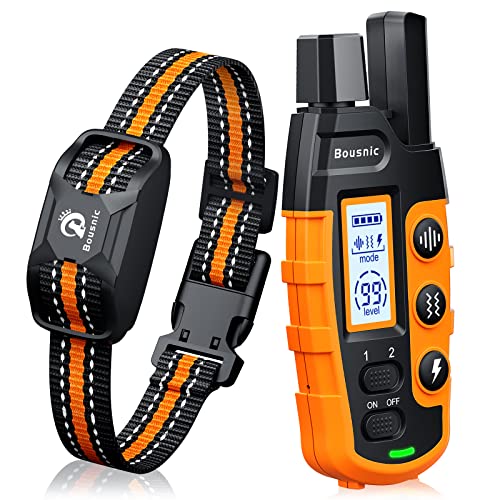
The Bousnic collar offers a practical balance of range and modes, with up to 3300 feet of remote control and a 3-mode system: beep, vibration, and safe shock (with levels 1-99). It is designed for dogs 5-120 pounds and supports dual-channel operations for training two dogs simultaneously. The collar is rechargeable and IPX7 waterproof, enabling outdoor training in diverse weather conditions. It emphasizes humane corrections while maintaining effective deterrence for unwanted behaviors.
Jugbow 4500Ft Long-Range Training Collar

This Jugbow model provides an extended 4500-foot range and supports training for 10-120 pound dogs. It includes four modes: beep, vibration, shock, and emergency shock, along with a security lock feature and remote memory for multiple dogs. The IPX8 waterproof rating ensures durability in wet conditions, making it suitable for outdoor adventures and active dogs that frequently encounter water or mud. It is ideal for multi-dog households seeking robust remote options.
Bousnic Waterproof Shock Collar (Grey)

The Bousnic Grey version focuses on simple, effective training with three modes: beep, vibration, and safe shock (1-16). It offers a dual-channel capability for training two dogs and has a water-resistant design with IPX7 certification. The remote range reaches nearly 1000 feet, enabling flexible training environments from backyard to park settings. It provides a straightforward setup suitable for users who want reliable, humane corrections for small-to-medium dogs.
Veconix Small Shock Collar

The Veconix collar is designed for small dogs, emphasizing ultra-light construction and a breathable strap to minimize neck irritation during extended wear. It offers 26 levels of training: 0-9 beeps, 0-9 vibrations, and 0-9 static pulses. The device is IP-rated for water resistance and focuses on delivering precise, gentle corrections suitable for sensitive small-dog temperaments. Battery life aims for a full day of typical use per charge with convenient wireless charging.
Buying Guide: Key Purchase Considerations
- Dog size and comfort: Choose a lightweight receiver and adjustable strap to minimize neck rubbing, especially for very small breeds.
- Training modes and levels: Look for multiple correction options (beep, vibration, static/shock) with clearly labeled level ranges to tailor to your dog’s sensitivity.
- Remote range: For parks or open spaces, a longer range (2000+ feet) provides more training flexibility. Dual-channel options help manage two dogs.
- Water resistance: IPX ratings indicate water durability. Higher ratings support outdoor use in rain or splashes.
- Battery and charging: Rechargeable builds with long endurance and easy charging reduce downtime during training.
- Safety features: Functions like auto shut-off, memory recall, and secure locking help prevent accidental stimulation.
- Fit and adjustability: Ensure neck measurements align with the collar’s recommended range; test fit for comfort and secure contact placement.
- Breed considerations: For tiny breeds (Yorkies, Chihuahuas, Pomeranians), start with the mildest settings and monitor stress signals.
- Usage guidelines: Use humane training principles, avoid punishments, and pair correction with positive reinforcement to reinforce desired behaviors.
This compilation emphasizes small-dog suitability, focusing on safety, comfort, and practical training versatility. Prospective buyers should evaluate their dog’s temperament, environment, and training goals to select the most appropriate model.