
Choosing the right cat food for urinary health can help manage mineral balance, support hydration, and reduce the risk of urinary issues. This guide highlights five well-regarded options that target urinary tract health, including dry and wet formulas. Each product below offers specific nutrient balance, digestibility, and palatability considerations to help you compare at a glance.
| Product | Brand | Format | Nutritional Focus |
|---|---|---|---|
| IAMS Proactive Health Adult Urinary Tract Health Dry Cat Food with Chicken, 7 lb Bag | IAMS | Dry | Fiber and prebiotics for digestion; antioxidant support; healthy skin and coat |
| Royal Canin Feline Care Nutrition Urinary Care Adult Dry Cat Food, 3 lb Bag | ROYAL CANIN | Dry | Balanced mineral content; urinary concentration management; hydration support |
| Purina ONE High Protein Dry Cat Food, +Plus Urinary Tract Health Formula – 16 lb. Bag | Purina ONE | Dry | Real chicken protein; reduced urinary pH; antioxidants for immune support |
| Purina Pro Plan Urinary Tract Health Pate Cat Food Variety Pack, Turkey and Giblets, and Ocean Whitefish Entrees – (Pack of 12) 5.5 oz. Cans | Purina Pro Plan | Wet (cans) | Low magnesium; taurine and essential nutrients; pate texture for palatability |
| Hill’s Science Diet Urinary Hairball Control, Adult 1-6, Wet Cat Food, Chicken Minced, 2.9 oz Can, Case of 12 | Hill’s Science Diet | Wet (cans) | Urinary tract support; natural fiber reduces hairballs; skin and coat nutrition |
IAMS Proactive Health Urinary Tract Dry Cat Food (7 lb)
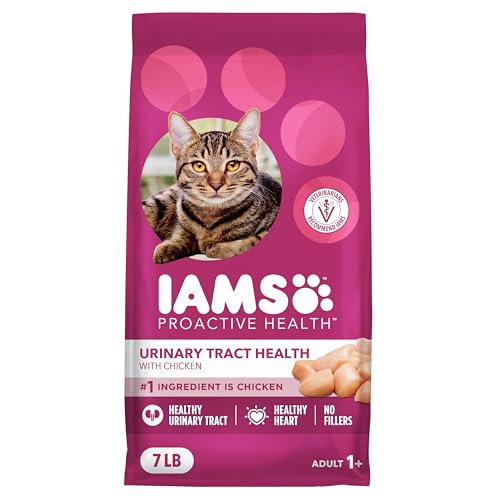
IAMS Proactive Health Adult Urinary Tract Health Dry Cat Food with Chicken focuses on whole-body wellness. It delivers complete and balanced nutrition with antioxidants to support the immune system. The formula includes natural fiber and prebiotics to help digestion, and an Omega 6:3 fatty acid balance to promote healthy skin and a glossy coat. This dry kibble is designed for adult cats and emphasizes 100% nutrition with no fillers.
Royal Canin Urinary Care Dry Cat Food (3 lb)

Royal Canin Feline Care Nutrition Urinary Care Dry Cat Food emphasizes a precisely balanced mineral composition to support healthy urine concentration. The product claims results in as little as 10 days by regulating mineral balance, and it also promotes hydration by helping ensure your cat receives adequate fluids along with the dry food. This option is particularly suited for cats that may benefit from a carefully controlled urinary mineral profile.
Purina ONE High Protein Dry Cat Food +Plus Urinary Tract Health (16 lb)

Purina ONE +Plus Urinary Tract Health Dry Cat Food features real chicken to support muscle and heart health, with a focus on urinary health through reduced magnesium and a formula designed to lower urinary pH. It uses a SmartBlend of high-quality ingredients and provides four antioxidant sources to support a strong immune system. The larger 16 lb bag is ideal for households with multiple cats or for customers who prefer bulk purchases.
Purina Pro Plan Urinary Tract Health Pate Variety Pack (12 cans)

The Purina Pro Plan Urinary Tract Health Pate Cat Food Variety Pack delivers pate-style wet meals with real turkey, giblets, or ocean whitefish. The formula aims to reduce urinary pH and magnesium while offering taurine and a comprehensive vitamin/mineral profile. Wet meals can help with hydration and offer a palatable texture option for cats who prefer variety in their diet.
Hill’s Science Diet Urinary Hairball Control Wet Cat Food (12 cans)

Hill’s Science Diet Urinary Hairball Control combines urinary tract support with hairball control. This wet formula emphasizes natural fiber to reduce hairballs and provides essential fatty acids (Omega-6s and Omega-3s) along with vitamin E for skin and coat health. The wet format helps with hydration, which can be beneficial for urinary health in some cats.
Purina ONE High Protein Dry Cat Food +Plus Urinary Tract Health (7 lb)

This 7 lb Purina ONE option focuses on protein-rich nutrition to support muscle development and heart health while addressing urinary health. It contains a low magnesium formula and a SmartBlend of high-quality ingredients, alongside antioxidant sources intended to support a robust immune system. This dry option provides a mid-sized bag choice for households weighing convenience and budget considerations.
Buying Guide: Key Purchase Considerations And Comparisons
Choosing urinary-support cat food involves evaluating several factors to match your cat’s needs. Consider the following:
- Diet type: Decide between dry, wet, or a combination. Wet food can help with hydration, while dry food is convenient and budget-friendly.
- Mineral balance: Look for controlled levels of minerals like magnesium and phosphorus to help manage urine concentration and reduce crystal formation risk.
- Palatability: Cats may resist dietary changes. Texture, flavor, and aroma influence acceptance; consider rotating between options if needed.
- Digestive support: Formulas with prebiotics, natural fiber, and highly digestible ingredients can support gut health and stool quality.
- Hydration strategy: For urinary health, ensure adequate fluid intake. Some formulas encourage hydration via moisture content, and supplement with additional water or broth as approved by a veterinarian.
- Life stage and health status: Puppies/kittens, adults, and senior cats have different nutritional needs. Cats with known urinary issues may require prescription or specialized formulas; consult a vet if urinary symptoms persist.
- Brand reliability: Reputable brands with clinical or internal studies on urinary health can offer consistent quality and ingredient standards.
- Budget and supply: Large bags offer economy, but be mindful of shelf life and your cat’s appetite and preference to avoid waste.
In summary, all five featured products emphasize urinary health through mineral balance, hydration support, and digestion-friendly ingredients. Dry formulas are convenient and often cost-effective, while wet options help improve hydration and variety. For cats with persistent urinary concerns, a veterinary-guided plan that may include prescription diets can be the most effective path. When switching foods, do so gradually over 7–10 days to minimize digestive upset.