
Choosing the right starter food helps puppies transition from mother’s milk to solid meals while supporting growth, immunity, and energy. This guide highlights top options that are well-suited for nursing mothers and fast-growing puppies, with a focus on digestibility, nutrient balance, and palatability. The selections below pull from trusted brands and include both dry and wet formulas to fit different feeding styles and life stages.
| Product | Brand | Format | Notes |
|---|---|---|---|
| Royal Canin Size Health Nutrition Small Starter Mother & Babydog Dry Dog Food, 2.5 lb | ROYAL CANIN | Dry | For mothers and puppies up to 2 months old |
| Royal Canin Size Health Nutrition Starter Mother & Babydog Mousse in Sauce, 5.1 oz (Pack of 24) | ROYAL CANIN | Wet | Wet microbiome-support formula for nursing puppies |
| Royal Canin Size Health Nutrition Small Starter Mother & Babydog Dry Dog Food, 14 lb | ROYAL CANIN | Dry | Large bag option for households with multiple puppies |
| Purina Pro Plan Puppy Food Starter Mousse Chicken Entree Wet Dog Food, 5.5 Oz | Purina Pro Plan | Wet | Supports nursing mothers and early puppy growth |
| Royal Canin Size Health Nutrition X-Small Puppy Dry Dog Food, 3 lb | ROYAL CANIN | Dry | Targeted for toy breed puppies |
Royal Canin Size Health Nutrition Small Starter Mother & Babydog Dry Dog Food (2.5 lb)
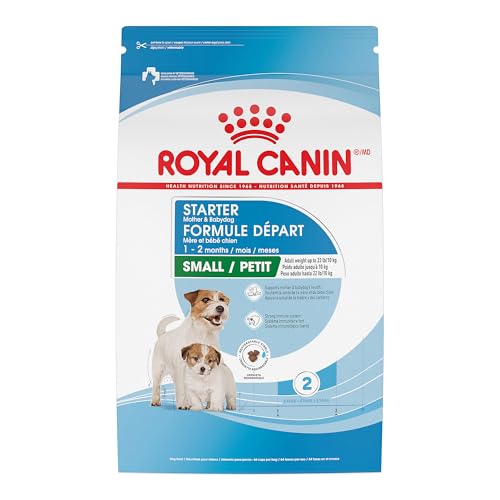
Designed for mother puppies at the end of gestation and during lactation, this dry formula focuses on healthy growth as puppies transition from milk to solid food. It combines energy-dense nourishment for the mother with digestible ingredients to support nursing puppies’ development. Clinically proven antioxidants, including vitamins E and C, help support immune system maturation in growing puppies.
Royal Canin Size Health Nutrition Starter Mother & Babydog Mousse in Sauce (5.1 oz, Pack of 24)

This wet option provides exclusive nutritional complexity to support digestive health and immune defenses during early life stages. The mousse texture is easy to chew and swallow for nursing puppies transitioning from milk, with a focus on promoting a healthy microbiome balance through prebiotics and highly digestible proteins.
Royal Canin Size Health Nutrition Small Starter Mother & Babydog Dry Dog Food (14 lb)

This larger-format dry option mirrors the 2.5-pound formula but is ideal for households with multiple nursing mothers or several puppies at once. It maintains the same emphasis on energy, growth, and immune support, helping puppies transition smoothly from nursing to solid meals while sustaining maternal energy needs.
Purina Pro Plan Puppy Starter Mousse Chicken Entree (Wet) 5.5 Oz
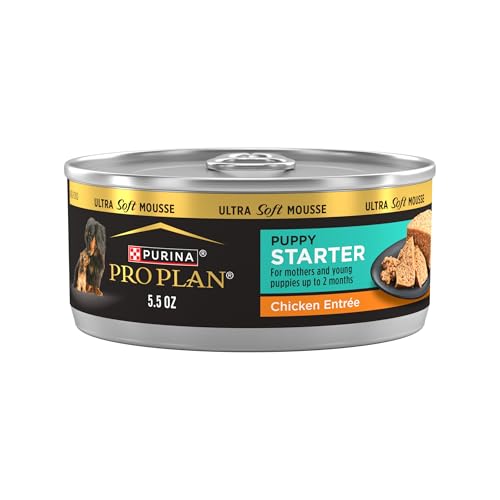
Among wet options, this mousse-style formula is formulated to support nursing mothers’ elevated energy needs and help puppies grow up to two months. The ultra-soft texture is gentle on developing teeth, and the recipe includes nutrients intended to support brain development and immune health in young puppies.
Royal Canin Size Health Nutrition X-Small Puppy Dry Dog Food (3 lb)

Intended for toy breed puppies, this formula emphasizes bite-size kibble that suits tiny mouths and developing teeth. It supports brain development and energy needs during growth, making it a practical option for small breeds starting on solids early in life.
Buying Guide: Key Purchase Considerations
When selecting starter foods for puppies, consider age, breed size, and whether the puppy is still nursing or transitioning to solid meals. Dry foods often benefit dental health and satiety, while wet foods can improve palatability and hydration. Look for formulas with balanced protein sources, essential fatty acids, and fortified vitamins and minerals to support growth and immune function. For nursing mothers, choose options that provide extra energy and nutrient density without overloading the litter with complex ingredients. For toy or small breeds, kibble size and texture matter for comfortable chewing. Always consult a veterinarian if you are unsure about the best transition plan for your puppy’s health.
Compare features such as digestive support, immune support, and brain development nutrients across the options. Pay attention to any claimed microbiome-support elements, prebiotics, and highly digestible protein sources. If your household prefers variety, mixing a dry base with a complementary wet food can help ensure balanced nutrition and entice picky eaters. Consider batch sizes and storage requirements to maintain freshness for nursing moms and multiple puppies. Finally, verify that the product is appropriate for the puppy’s current age range and expected adult size to align with long-term feeding goals.