
Choosing the right substrate is essential for root growth, nutrient uptake, and overall plant health in a planted aquarium. The following selections emphasize mineral-rich, bio-active, and neutral-to-slightly acidic environments that support plants, shrimp, and other inhabitants. Each product is evaluated on growth support, biological benefits, and how it stabilizes water conditions for a thriving aquatic ecosystem.
Chosen products at a glance:
| Product | Brand | Key Benefit |
|---|---|---|
| Fluval 12694 Plant and Shrimp Stratum | Fluval | Strong plant growth; neutral to slightly acidic pH; porous for beneficial bacteria |
| Fluval 12696 Natural Mineral-Rich Volcanic Soil Bio Stratum | Fluval | Rapid plant development; activates nitrogen cycle; stabilizes water |
| Fluval 12693 Plant and Shrimp Stratum | Fluval | Fosters rapid colonization; supports pH stability; shelter for newborn shrimp |
| Fluval 12697 Natural Mineral-Rich Volcanic Soil Bio Stratum | Fluval | Strong growth; activates beneficial bacteria; ammonia reduction |
| Aqua Natural Galaxy Sand Bio-Substrate | Aqua Natural | Bio-active bacteria seeded; quick cycling |
Fluval 12694 Plant And Shrimp Stratum

Fluval 12694 Plant and Shrimp Stratum is designed to promote robust plant growth by improving root penetration and nutrient absorption. Its porous structure supports rapid colonization by beneficial nitrifying organisms, helping maintain a healthy nitrogen cycle. The substrate is crafted to sustain a neutral to slightly acidic pH range, which suits many aquatic plants, tropical fish, and shrimp often kept in planted tanks.
Fluval 12696 Mineral-Rich Volcanic Soil Bio Stratum

This mineral-rich volcanic soil substrate enriches plant development and fosters vigorous growth with vibrant coloration. It activates dormant nitrifying organisms upon contact with water, swiftly breaking down waste and initiating the nitrogen cycle to support a balanced, healthy aquarium ecosystem. The substrate also helps stabilize water conditions as new tanks cycle.
Aqueon Plant And Shrimp Aquarium Substrate
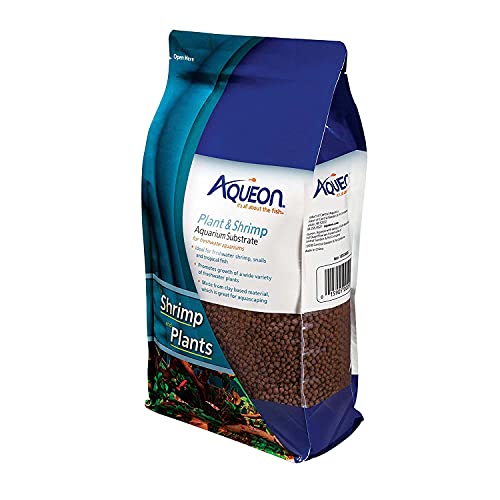
Aqueon Plant and Shrimp Aquarium Substrate comes in a 5-pound bag and is suitable for a variety of freshwater plants, shrimp, snails, and tropical fish. It supports the growth of a wide range of freshwater plants, offering a practical, middle-ground option for mixed communities and hobbyists focusing on plant health and biodiversity.
Fluval 12697 Mineral-Rich Volcanic Soil Bio Stratum
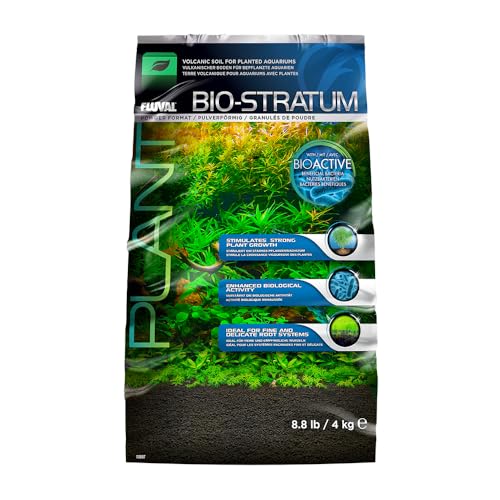
This larger-volume bio stratum provides robust plant growth with vibrant coloration. It activates beneficial water conditions by introducing dormant nitrifying organisms and stabilizes water, helping new aquariums reach a healthy equilibrium for inhabitants and plants alike.
Aqua Natural Galaxy Sand Bio-Substrate

Galaxy Sand is a silica-based substrate seeded with bio-active nitrifying bacteria, designed to cycle the aquarium quickly and establish a stable nitrogen cycle. The sand is designed for low fines and minimal dust, making it suitable for planted tanks where substrate stability matters for plant rooting and small invertebrates.
Buying Guide
- Plant compatibility: Look for substrates designed to support root growth, nutrient availability, and pH stability aligned with your plant species and fish/shrimp.
- Biological activation: Substrates infused with dormant or seeded nitrifying bacteria can accelerate cycling, reducing ammonia spikes in new tanks.
- pH and hardness considerations: Neutral to slightly acidic substrates are ideal for many plants and invertebrates; ensure compatibility with your aquatic community.
- Substrate composition: Mineral-rich volcanic soils support nutrients and color, while sands offer stability and ease of cleaning. Mixed or layered substrates can balance growth and maintenance.
- Maintenance impact: Porosity affects detritus trapping and water flow. Very fine substrates may require careful siphoning to avoid cloudiness.
- Tank size and bioload: Higher-volume substrates with nutrient buffering are advantageous for heavily planted tanks or densely populated systems.
- Compatibility with livestock: Some substrates enhance shrimp health or provide shelter for newborns; consider the needs of shrimp, snails, and other inhabitants when selecting.
- Cleaning and sustainability: Consider washability, dust, and long-term maintenance requirements to minimize disruption during water changes.