
Sunflower seeds are a staple for many backyard bird lovers. This guide highlights top sunflower seed options that attract diverse species, keep feeders clean, and deliver reliable nutrition. Each product below is selected for energy, shell type, and mess level, helping you choose seeds that suit your local birds and feeder setup.
Summary of chosen products:
| Product | Brand | Key Benefit | Typical Use |
|---|---|---|---|
| Wagner’s 52023 Black Oil Sunflower Seed Wild Bird Food | Wagner’s | Wide appeal, easy-to-open shell | General seed feeder, mixed species |
| Kaytee Striped Sunflower Seeds For Blue Jays, Woodpeckers, Finches & Other Wild Birds | Kaytee | High-energy, larger-beaked birds | Backyard high-traffic feeders |
| Audubon Park Sunflower Hearts & Chips | Audubon Park | No-mess, shell-free | Smaller birds and compact feeders |
| Morning Song Sunflower Hearts & Chips | Morning Song | Shell-free, no cleanup | Finches, chickadees, cardinals |
| Armstrong Wild Bird Food Black Oil Sunflower Seed | Armstrong Bird Food | Thin shells, high fat/protein | Northern cardinals, blue jays, woodpeckers |
Wagner’s 52023 Black Oil Sunflower Seed Wild Bird Food

Wagner’s 52023 is a classic black oil sunflower mix designed to attract a broad spectrum of backyard birds. The thin shells aid small-beaked species, while the seed’s high energy content supports birds during migration and winter. This blend is favored by many feeder owners for its versatility across species, including jays, finches, sparrows, and woodpeckers. The product’s natural flavor and robust energy profile help birds maintain activity and courtship year-round.
Kaytee Striped Sunflower Seeds For Blue Jays, Woodpeckers, Finches & Other Wild Birds
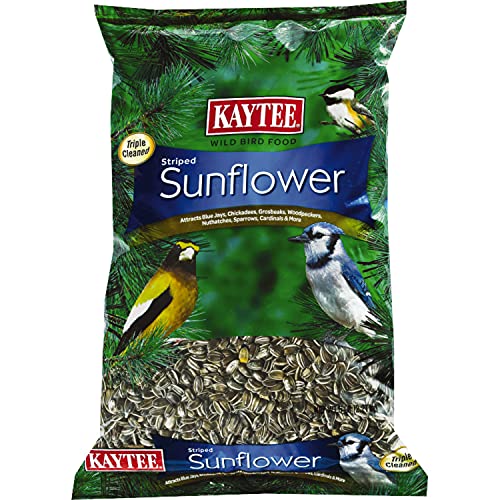
Kaytee’s striped sunflower seeds offer high oil content to deliver energy that many backyard birds rely on, especially larger species like blue jays and woodpeckers. Cleaned to minimize debris, this seed reduces waste at feeders and helps keep feeding areas tidier. The presence of larger seed kernels can appeal to bigger beaks while still attracting a diverse flock, including grosbeaks and cardinals, making it a reliable all-around choice for busy feeders.
Old Potters Wildlife Black Oil Sunflower Seeds for Birds and Wildlife

Old Potters offers non-GMO black oil sunflower seeds grown on small US farms. This product emphasizes an authentic, minimally processed seed with traces of field debris indicating a natural origin. Rich in protein and essential fats, it provides nourishing calories that support a variety of species, from finches to woodpeckers. The small-farm sourcing may appeal to consumers seeking sustainable, domestically produced bird food.
Armstrong Wild Bird Food Black Oil Sunflower Seed

Armstrong Bird Food’s 35.3-pound bag focuses on genuine black oil sunflower seeds recognized for high fat and protein content. The seeds’ thin shells aid access for many birds, making it a practical option for large-volume feeders. This product is positioned for ongoing use in feeders designed to support sustained energy needs for species like northern cardinals, blue jays, and hairy woodpeckers, especially in colder months or high-activity feeding cycles.
Wagner’s 76027 Black Oil Sunflower Wild Bird Food

Wagner’s 76027 expands on the brand’s reputation for broad appeal. The thin-shelled, high-energy black oil seeds attract a wide range of species and are particularly accessible for small-beaked birds. This option is well-suited to feeders that host a diverse flock, from house finches to chickadees and small woodpeckers, offering reliable energy and a balanced fat-to-protein ratio for year-round feeding.
Buying Guide: Key Purchase Considerations
Choosing the right sunflower seed depends on your local birds, feeder type, and maintenance preferences. Consider the following perspectives to optimize feeding results:
- Seed Type: Black oil sunflower seeds offer a high-fat, high-protein option with thin shells, suitable for a broad spectrum of species. If you prefer shell-free options to reduce mess, dehulled sunflower hearts or chips are worth selecting for finches and smaller birds.
- Shell Mess and Clean-Up: Shell-free or dehulled seeds minimize ground debris and cleanup, beneficial for backyard spaces with pets or children. Note that some shell-free mixes can be more expensive and may have less overall kernel density per cup.
- Bird Diversity: If your goal is to attract a wide variety of species, choose seed blends that appeal to both small songbirds and larger birds like blue jays and grosbeaks. Black oil sunflower seeds generally fit this need well.
- Nutritional Content: High-fat content helps birds maintain energy during migration and winter. Protein-rich seeds contribute to feather repair and growth, supporting healthier populations at feeders.
- Freshness and Sourcing: Non-GMO and USA-grown options appeal to consumers seeking natural, minimally processed seeds. Freshness reduces spoilage and waste in warm months.
- Durability and Availability: Large-bag options suit avid feeders or multiple feeders. Consistency in product quality ensures continued interest from visiting birds.