
When choosing a wireless dog fence system, you want reliable boundaries, humane training modes, and easy setup. This guide compares top options across GPS and radio-frequency technologies, highlighting durability, range, and two-dog compatibility. Whether you have a yard, a farm, or a park, these systems offer boundary control without digging trenches. Below is a quick summary of five standout models to help you pick the right fit for your dog’s size, temperament, and outdoor space.
| Product | Brand | Key Benefit |
|---|---|---|
| GPS Wireless Dog Fence System | DJNFGQ | Two modes (circular and free-form) with GPS accuracy and no digging |
| PetSafe Wireless Pet Containment System | PetSafe | Easy setup and adjustable correction levels for single dog |
| TLKTL Wireless Dog Fence System for 2 Dogs | TLKTL | Two-dog system with LCD transmitter and programmable range |
| Sglyq GPS Wireless Dog Fence System | Sglyq | Long-range GPS boundary, waterproof collar, humane training modes |
| Htcuto Wireless Dog Fence System for 2 Dogs | Htcuto | 2-in-1 fence and training with multiple modes and broad range |
The following sections detail each product’s core features, performance notes, and suitability for different yards, pet sizes, and training goals. Buying factors at the end help you compare options side-by-side.
DJNFGQ GPS Wireless Dog Fence System

This GPS-based fence uses satellite data to create virtual boundaries with high accuracy. The collar communicates with GPS satellites to trigger corrective actions as the dog approaches the boundary. It supports two modes: circular fences and customizable polygonal shapes, which helps prevent blind spots around irregular terrain. No burial or installation is required, enabling rapid setup in yards, parks, or farms. The IPX7 waterproof collar is rechargeable for daily use in all weather conditions. Ideal for larger properties or complex landscapes where a traditional wire fence is impractical.
PetSafe Wireless Pet Containment System

The PetSafe model offers a circular boundary that covers up to 1/2 acre and is designed for travel-friendly setups. It features five adjustable correction levels, a tone-only training option, and static-free reentry. The waterproof, rechargeable collar fits dogs over six months old and with necks from approximately 6 to 28 inches. This system is well-suited for smaller properties or renters seeking a removable, no-dig solution that still provides reliable containment and training flexibility.
TLKTL Wireless Dog Fence System for 2 Dogs
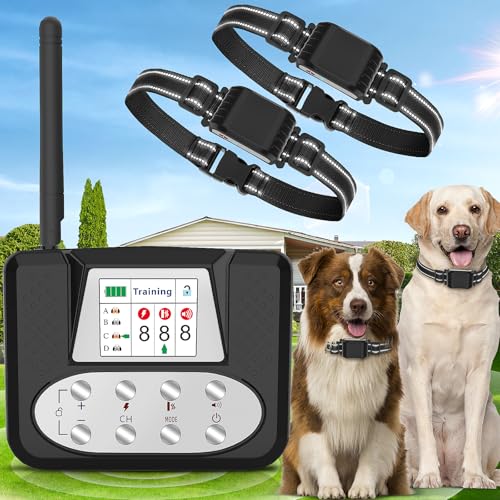
Designed for two dogs, this system centers a large LCD transmitter and two collars. The transmitter supports a fence mode and a remote training mode, allowing owners to alternate between boundary enforcement and command-based training. The range is adjustable from 50 to 990 feet for each dog, with audio warnings and a five-step correction sequence (sound, vibration, and static). It includes notes about line-of-sight and potential interference, recommending outdoor placement for the most stable signal. Suitable for yards with trees or structures that might disrupt signals.
Sglyq GPS Wireless Dog Fence System
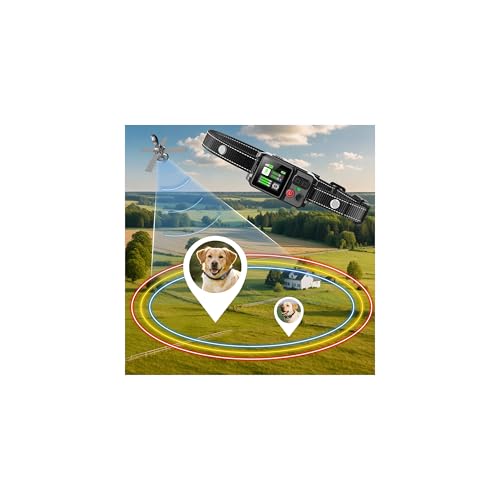
The Sglyq system emphasizes GPS-based positioning with a very long boundary reach of up to 6500 feet. It removes the need for physical fencing or WiFi and uses a waterproof collar rated IPX7. Training modes include Beep, Vibration, and adjustable Static levels (1–9), with an auto-protection feature that halts stimulation if the dog lingers in the correction zone. This model is ideal for large yards, rural properties, or adventures where a portable boundary is preferred.
Htcuto Wireless Dog Fence System for 2 Dogs

The Htcuto system combines wireless fencing with remote training for two dogs. It offers two main ways to enforce boundaries: a boundary mode and a remote training mode. The boundary range ranges from 25 to 3500 feet, and the remote control features four training modes: Ultrasound, Beep, Vibration, and Safety Shock. The device supports a long training range (up to 6000 feet) and allows up to eight-second bursts for sustained cues. This setup suits multi-dog households seeking integrated training alongside containment.
Buying Guide
- Boundary type: GPS-based systems provide flexible, large-area boundaries with no physical wires, but may rely on satellite accuracy and weather considerations. RF-based wireless fences excel in shorter, predictable ranges and typically require line-of-sight components in some configurations.
- One-dog vs. two-dog setups: If you have two dogs, look for systems with dual collars, dual transmitters, or easy scalability. Clear guidance about collar fit, weight, and adjustments helps minimize fit issues.
- Correction modes and training: Consider how many levels, tone-only modes, and progressive correction sequences you need. Humane modes (beep, vibration) are beneficial for younger or sensitive dogs, while adjustable static levels help tailor to temperament.
- Weather and durability: Water-resistant or waterproof collars (IPX7 or higher) are important for outdoor use. Check battery life and charging options for frequent outdoor activity.
- Setup and maintenance: Wireless and GPS fences should offer straightforward setup with minimal digging. Consider whether you prefer a portable solution for parks or farms or a fixed installation for a yard.
- Interference and range: Be mindful of walls, trees, or Wi-Fi signals that can block or degrade signals in RF-based systems. For GPS setups, understand satellite coverage and potential temporary accuracy fluctuations.
- Environment fit: Irregular terrain, long driveways, or multi-level yards may benefit from polygonal fences or adjustable ranges to avoid dead zones.
- Budget considerations: Prices vary by technology, range, and number of collars. Balance features with long-term reliability and user-friendliness.
When evaluating options, prioritize safety standards, clear boundary cues, and the vendor’s support resources. A well-chosen wireless fence system can reduce escape risks while facilitating positive training and outdoor exploration for your dog.